
Product Overview
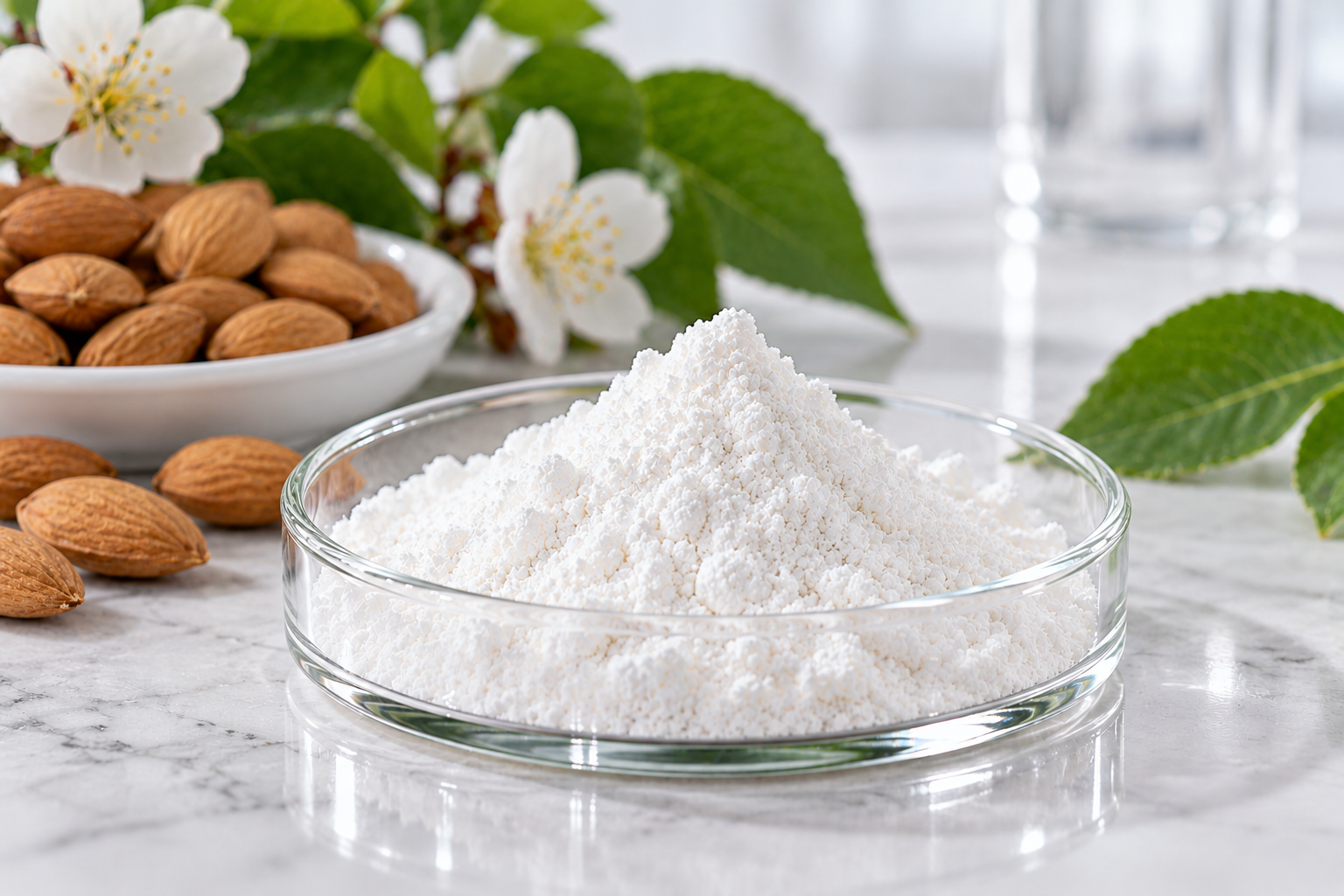
Amygdalin 98% is a high-purity cyanogenic glycoside found naturally in the seeds of plants belonging to the Rosaceae family, including apricot, bitter almond, and peach. It is also known as D-mandelonitrile-β-D-gentiobioside and is widely studied in phytochemistry, analytical chemistry, and natural product research.
For ingredient developers, research laboratories, and analytical testing organizations, Amygdalin 98% offers a defined chemical reference material for investigating cyanogenic glycosides, plant-derived compounds, and their chemical properties.
Amygdalin is a cyanogenic compound that can release hydrogen cyanide under certain conditions. Its intended use, handling requirements, and regulatory status must therefore be evaluated carefully before commercial application. It should not be promoted as a proven cancer treatment or assumed to be suitable for dietary supplements or food products.
Product Specifications
- Product Name: Amygdalin
- Purity: 98%
- Chemical Name: D-Mandelonitrile-β-D-gentiobioside
- CAS Number: 29883-15-6
- Molecular Formula: C₂₀H₂₇NO₁₁
- Molecular Weight: 457.43 g/mol
- Product Type: Natural product compound / cyanogenic glycoside
- Source: Plant-derived; commonly associated with apricot kernels and other Rosaceae seeds
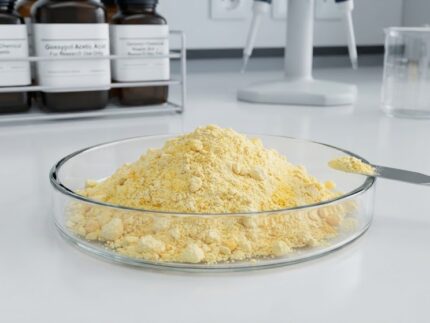
- Appearance: White to off-white powder (subject to actual product specification)
- Solubility: Solubility depends on the solvent and test conditions; confirm against the technical specification.
- Storage: Store in a tightly sealed container under the conditions specified in the product documentation.
Functional Applications
1. Phytochemical and Natural Product Research
Amygdalin is studied as a naturally occurring cyanogenic glycoside. It can serve as a research compound for investigating plant secondary metabolites, glycoside chemistry, and the distribution of cyanogenic compounds in botanical materials.
2. Analytical Method Development
High-purity Amygdalin may be used as a reference or analytical standard, subject to suitability and certification, for developing and validating methods such as HPLC and LC-MS. Applications may include compound identification, purity assessment, and quantitative analysis of amygdalin in botanical samples.
3. Cyanogenic Glycoside Research
Amygdalin is relevant to studies of cyanogenic glycoside hydrolysis, chemical stability, and the formation of degradation products. Such work requires appropriate laboratory controls and risk-management procedures because hydrogen cyanide is highly toxic.
4. Pharmaceutical and Toxicological Research
Amygdalin has been investigated in preclinical pharmacology and toxicology. Its biological activity and safety profile remain important research topics. Existing laboratory findings should not be interpreted as proof of clinical efficacy or safety in humans.
Formulation Combinations
Amygdalin 98% is not recommended for routine consumer supplement formulation without a documented safety assessment and confirmation of regulatory authorization. Potential research combinations should be designed according to the specific study objective rather than marketed as established health formulations.
- Amygdalin + Analytical Reference Standards: For method development, chromatographic identification, and quantitative analysis of cyanogenic glycosides.
- Amygdalin + Botanical Extract Samples: For comparative phytochemical profiling and investigation of amygdalin distribution in plant-derived materials.
- Amygdalin + Enzyme Systems: For controlled laboratory studies of glycoside hydrolysis and degradation pathways, under appropriate toxicological controls.
Any combination involving Amygdalin should be evaluated for chemical compatibility, cyanide-release potential, laboratory safety, and applicable regulations.
Market Opportunities
1. Botanical Analysis and Quality Control
Research institutions, contract laboratories, and botanical testing organizations may require well-characterized amygdalin reference materials for analytical method development and the investigation of plant-derived cyanogenic compounds.
2. Natural Product Research
Universities, phytochemistry laboratories, and research organizations may use Amygdalin in studies of plant secondary metabolites, glycoside chemistry, and compound degradation.
3. Pharmaceutical and Toxicology Research
Amygdalin remains a subject of scientific investigation. Potential customers include laboratories studying its pharmacological properties, metabolic pathways, and toxicity. Research interest should not be confused with established therapeutic effectiveness.
4. Specialized Research Chemical Supply
For B2B suppliers, the key commercial considerations include verified identity, a reliable purity assay, batch traceability, suitable analytical documentation, and clear handling requirements. Buyers should confirm that the intended application is lawful in their destination market before placing an order.
Quality & Supply
For professional B2B procurement, Amygdalin 98% should be evaluated using the following quality criteria:
- Identity Confirmation: Appropriate analytical data to verify compound identity.
- Purity Testing: Batch-specific purity results with the analytical method identified.
- Certificate of Analysis: A current COA stating the measured purity and relevant quality parameters.
- Traceability: Batch number and documented source information where available.
- Safety Documentation: Current Safety Data Sheet (SDS), hazard classification, and handling instructions.
- Packaging and Storage: Packaging appropriate for the material’s stability and hazard profile.
- Regulatory Review: Confirmation of permitted applications, import requirements, and local restrictions before commercial use.
ProMaxBio can present the available product specification and quality documents for buyer review. Availability, minimum order quantity, lead time, packaging options, and shipping arrangements should be confirmed with the sales team.
FAQ
What is Amygdalin 98%?
Amygdalin 98% is a high-purity grade of amygdalin, a naturally occurring cyanogenic glycoside associated with the seeds of several Rosaceae plants.
What is the CAS number of Amygdalin?
The commonly listed CAS number is 29883-15-6. Buyers should confirm the chemical identity against the supplier’s specification and analytical documentation.
What is Amygdalin used for?
Its established research applications include phytochemical analysis, analytical method development, and laboratory investigations of cyanogenic glycosides. Any other intended use requires an appropriate safety and regulatory assessment.
Is Amygdalin the same as Vitamin B17?
No. “Vitamin B17” is an unofficial marketing name sometimes used for amygdalin or laetrile. Amygdalin is not recognized as an essential vitamin.
Is Amygdalin proven to treat cancer?
No. Available clinical evidence does not establish amygdalin as an effective cancer treatment. It can also cause cyanide poisoning, so it should not be promoted or used as a substitute for evidence-based cancer care.
Can Amygdalin 98% be used in dietary supplements?
Suitability cannot be assumed from purity alone. Amygdalin can release cyanide, and its legal status varies by jurisdiction and intended use. Buyers must obtain specialist safety and regulatory review before considering any consumer-facing application.
What documents should buyers request?
Buyers should request a batch-specific COA, analytical method details, SDS, identity confirmation, and applicable regulatory or transport documentation.
References
- National Cancer Institute (NCI). Laetrile/Amygdalin (PDQ®) – Health Professional Version.
https://www.cancer.gov/about-cancer/treatment/cam/hp/laetrile-pdq - U.S. Food and Drug Administration (FDA). Natural Toxins in Food.
https://www.fda.gov/food/chemical-contaminants-pesticides/natural-toxins-food - Molecules (2021). Amygdalin: Toxicity, Anticancer Activity and Analytical Procedures for Its Determination in Plant Seeds.
https://doi.org/10.3390/molecules26082253 - Wang, F., et al. (2020). Amygdalin – A pharmacological and toxicological review. Journal of Ethnopharmacology, 254, 112717.
https://doi.org/10.1016/j.jep.2020.112717