

Product Overview
Indole-3-Carbinol (I3C) 99% is a naturally occurring bioactive compound formed by the breakdown of glucosinolate glucobrassicin, abundantly found in cruciferous vegetables such as broccoli, cabbage, brussels sprouts, and kale. Recognized for its potent cellular health properties and hormonal modulation capabilities, I3C acts as a vital intermediate in supporting phase II liver detoxification enzymes and maintaining healthy estrogen balance.
Promaxbio offers ultra-pure, pharmaceutical-grade Indole-3-Carbinol manufactured under stringent cGMP standards. Standardized to a minimum of 99% purity via High-Performance Liquid Chromatography (HPLC), our I3C raw material is tailored for B2B dietary supplement manufacturers, formulators, and research institutions seeking premium efficacy in longevity, endocrine health, and cellular defense formulations.
Product Specifications
| Parameter | Specification | Test Method |
|---|---|---|
| Product Name | Indole-3-Carbinol (I3C) | Visual |
| Chemical Formula | C9H9NO | N/A |
| Assay (Purity) | ≥ 99.0% | HPLC |
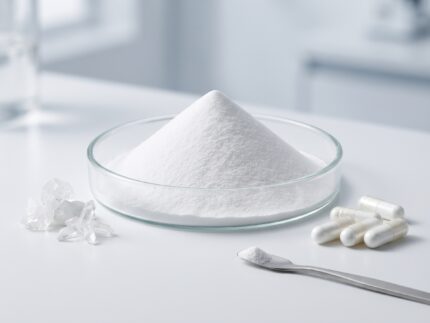
| Appearance | Off-white to white crystalline powder | Organoleptic |
| Odor & Taste | Characteristic, faint indole odor | Organoleptic |
| Particle Size | 100% pass 80 mesh | USP <786> |
| Loss on Drying | ≤ 0.5% | USP <731> |
| Heavy Metals (as Pb) | ≤ 10 ppm (Pb ≤ 2 ppm, As ≤ 2 ppm) | ICP-MS |
| Microbiological Profile | Total Plate Count < 1,000 CFU/g; E. coli / Salmonella Negative | USP <2021/2022> |
Functional Applications
- Hormonal & Endocrine Support: Promotes healthy estrogen metabolism by favoring the preferential hydroxylation pathway (increasing 2-hydroxyestrone relative to 16-alpha-hydroxyestrone).
- Cellular Health & Apoptosis: Supports normal cell cycle progression and encourages programmed cell death in compromised cells.
- Phase II Liver Detoxification: Induces hepatic cytochrome P450 enzymes and glutathione S-transferase systems to neutralize environmental xenobiotics.
- Antioxidant & Immune Defense: Acts as a direct free radical scavenger, enhancing systemic resilience against oxidative stress.
Formulation Combinations
- Hormone Balancing Matrices: Synergizes effectively with Diindolylmethane (DIM), Calcium D-Glucarate, and Sulforaphane for comprehensive endocrine support.
- Detox & Liver Formulas: Pairs seamlessly with Milk Thistle Extract (Silymarin), N-Acetyl-L-Cysteine (NAC), and Alpha-Lipoic Acid (ALA).
- Cellular Longevity Blends: Formulated alongside Resveratrol, Quercetin, and Epigallocatechin Gallate (EGCG) for advanced antioxidant defense.
Market Opportunities
- Women’s Wellness & Midlife Support: High consumer demand for natural, non-hormonal alternatives targeting perimenopausal balance and breast tissue health.
- Men’s Prostate & Metabolic Formulas: Growing clinical interest in cruciferous metabolites for maintaining healthy prostate tissue and metabolic pathways.
- Advanced Longevity Sector: Increasing preference among consumers for preventative health ingredients supported by peer-reviewed biochemical research.
Quality & Supply Assurance
Promaxbio guarantees exceptional batch-to-batch consistency. Our material undergoes rigorous third-party analytical testing for identity, purity, and microbial safety. Packaged in food-grade polyethylene bags inside fiber drums, our I3C is protected from moisture, heat, and light to maintain maximum stability during global transit and storage.
Frequently Asked Questions (FAQ)
Q1: What is the difference between I3C and DIM?
A: Indole-3-Carbinol is the immediate precursor molecule found in cruciferous plants. When ingested in the acidic environment of the stomach, I3C automatically self-dimerizes into Diindolylmethane (DIM) alongside other active condensation products.
Q2: How should I3C powder be stored?
A: Store in a tightly sealed container in a cool, dry, and dark place away from direct sunlight and humidity to prevent degradation.
References & Scientific Literature
- Auborn, K. J., Fan, S., Rosen, E. M., Goodwin, L., Chandraratna, R. A., Williams, F. I., … & Auborn, K. (2003). Indole-3-carbinol is a negative regulator of estrogen. The Journal of Nutrition, 133(7), 2470S–2475S. DOI: 10.1093/jn/133.7.2470S
- Reed, G. A., Peterson, K. S., Smith, H. J., Gray, J. C., Sullivan, D. K., & Burdette, C. A. (2008). A phase I study of indole-3-carbinol in women: tolerability and effects. Cancer Epidemiology, Biomarkers & Prevention, 17(8), 1958–1964. DOI: 10.1158/1055-9965.EPI-08-0145