
Product Overview
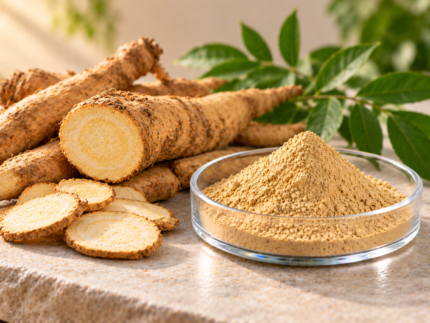
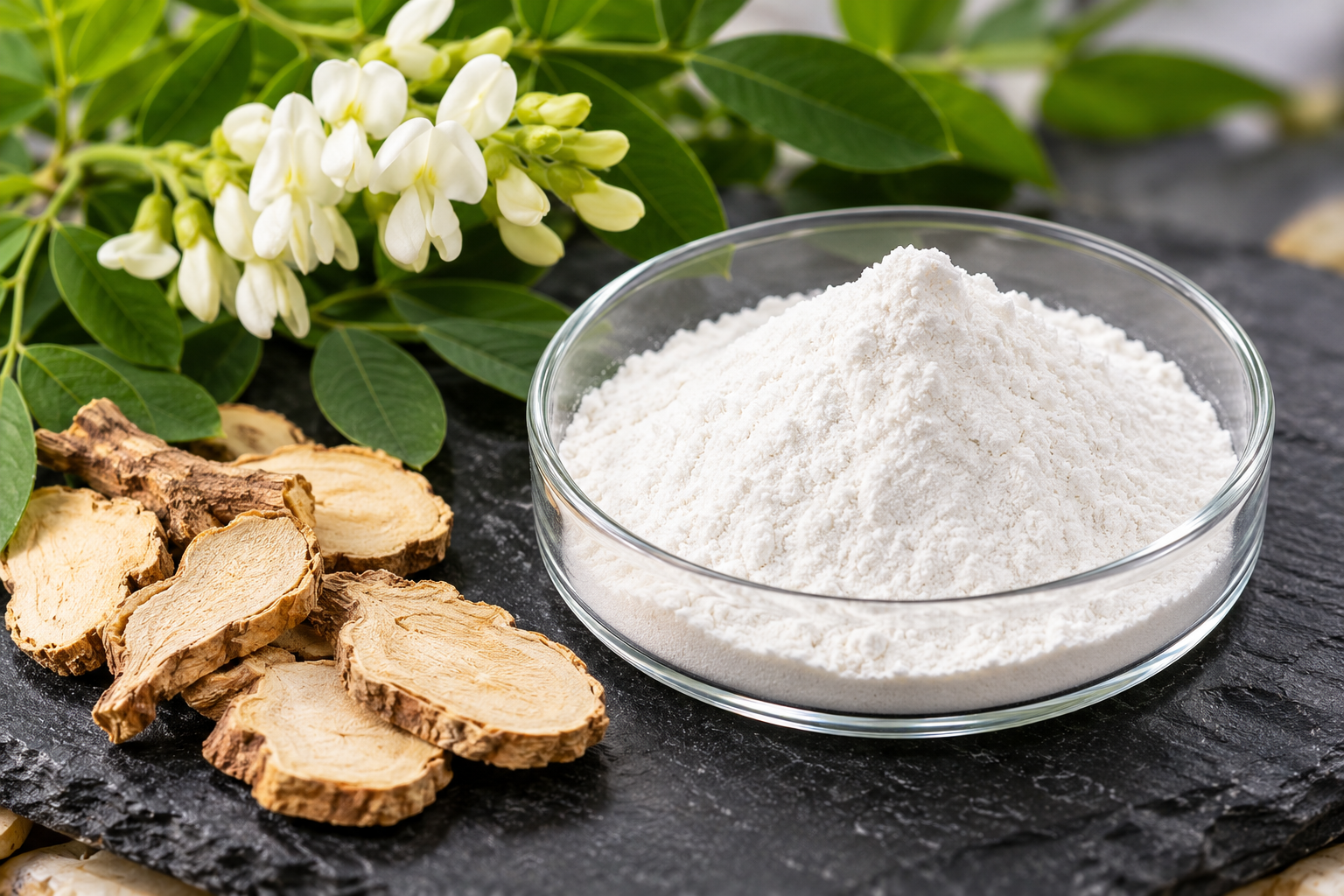
Matrine 98% is a high-purity quinolizidine alkaloid associated with plants of the Sophora genus, particularly Sophora flavescens Aiton, commonly known as Ku Shen.
Matrine is a naturally occurring botanical alkaloid that has attracted scientific interest because of its distinctive chemical structure and biological activities observed in experimental research.
As a specialty botanical compound, Matrine 98% is relevant to natural product chemistry, analytical research, reference material development, and selected industrial research applications.
ProMaxBio supplies Matrine 98% for qualified B2B customers seeking high-purity botanical alkaloids for technical evaluation and research-related projects.
Product Specifications
| Item | Specification |
|---|---|
| Product Name | Matrine 98% |
| Botanical Source | Sophora flavescens Aiton |
| Plant Part Used | Root |
| CAS Number | 519-02-8 |
| Molecular Formula | C15H24N2O |
| Molecular Weight | 248.36 g/mol |
| Appearance | White to off-white powder |
| Assay | 98% |
| Analytical Method | HPLC or other validated method, subject to COA |
| Product Category | Botanical Alkaloids / Specialty Research Ingredients |
Product specifications should be confirmed using the applicable Certificate of Analysis (COA). The stated assay represents the nominal product grade rather than a guarantee of every batch result.
Botanical Origin and Chemical Characteristics
Matrine belongs to the quinolizidine alkaloid family and is one of the characteristic alkaloids associated with Sophora flavescens.
The plant has a long history of investigation in botanical chemistry and natural product research.
Other alkaloids associated with Sophora species include oxymatrine, sophocarpine, and related compounds.
For manufacturers and research organizations, the identification and separation of these alkaloids are important because different compounds may have distinct chemical properties, analytical profiles, and biological activities.
Matrine 98% is therefore suitable for projects requiring a defined alkaloid ingredient rather than an unspecified crude botanical extract.
Research Applications of Matrine 98%
1. Natural Product Chemistry Research
Matrine has been investigated as a naturally occurring compound with a characteristic polycyclic alkaloid structure.
Research applications include:
- Isolation and purification of botanical alkaloids
- Structural identification of natural compounds
- Development of analytical procedures
- Investigation of alkaloid-containing plant materials
- Comparative analysis of related Sophora compounds
High-purity Matrine 98% may support laboratory workflows where compound identity and purity are important.
2. Analytical Method Development
Matrine is relevant to laboratories developing methods for identifying and quantifying quinolizidine alkaloids.
Potential analytical applications include:
- HPLC method development
- Chromatographic separation studies
- Purity evaluation
- Impurity profiling
- Botanical raw material analysis
- Comparative testing of related alkaloids
The suitability of any Matrine 98% batch for use as an analytical reference standard must be independently established. Commercial assay-grade material should not automatically be considered a certified reference material.
3. Phytochemical and Botanical Research
Researchers studying Sophora flavescens may examine matrine alongside other naturally occurring constituents.
Research topics include botanical alkaloid distribution, extraction efficiency, purification techniques, and differences between individual compounds and complex botanical extracts.
Matrine 98% can be considered for laboratory investigations requiring a relatively purified compound.
4. Experimental Biological Research
Published preclinical research has examined matrine in various biological models, including investigations of cellular signaling and inflammatory pathways.
These findings are primarily research observations and do not establish clinical effectiveness or safety for human consumption.
Matrine 98% should not be marketed as a treatment, preventive therapy, or proven nutritional supplement ingredient based solely on laboratory or animal studies.
Matrine 98% and Related Sophora Alkaloids
Matrine and Oxymatrine
Matrine and oxymatrine are chemically related alkaloids associated with Sophora species.
Although they share botanical origins and structural similarities, they are distinct chemical compounds.
Research laboratories may investigate both compounds to compare analytical behavior, chemical properties, and experimental biological activities.
They should not be treated as interchangeable ingredients without appropriate scientific and technical evaluation.
Matrine and Sophocarpine
Sophocarpine is another alkaloid found in certain Sophora species.
Comparative research involving matrine and sophocarpine may be relevant to botanical alkaloid profiling, chromatographic method development, and natural product chemistry.
The use of individually characterized compounds can improve the specificity of analytical investigations.
Matrine and Sophora flavescens Extract
Matrine 98% differs from a conventional Sophora flavescens botanical extract.
A botanical extract may contain multiple alkaloids and other naturally occurring constituents, while high-purity matrine is intended to provide a more concentrated and chemically defined material.
Selection depends on the objectives of the research project, required analytical specifications, and applicable regulatory requirements.
Manufacturing and Technical Considerations
Purity and Identity
For specialty alkaloid sourcing, confirming chemical identity and assay is an important first step.
Manufacturers and laboratories should review analytical documentation to verify that the supplied material matches the intended chemical specification.
Impurity Profile
Related botanical alkaloids and process-related impurities may influence the overall composition of the finished raw material.
Appropriate impurity evaluation is therefore important for high-purity Matrine 98%.
Solubility and Formulation Compatibility
Solubility, pH sensitivity, and compatibility with solvents or other materials should be evaluated under the intended experimental conditions.
The suitability of matrine for a particular formulation or manufacturing process cannot be determined from assay alone.
Packaging and Storage
Matrine 98% should be stored in appropriately sealed packaging under conditions specified by the supplier.
Temperature, moisture, light exposure, and packaging compatibility should be considered when establishing storage procedures.
Quality Control for Matrine 98%
Quality evaluation is essential when sourcing high-purity botanical alkaloids.
Important quality-control parameters may include:
- Chemical identity
- Assay and purity
- Related substances and impurity profile
- Appearance and physical characteristics
- Residual solvents, where applicable
- Heavy metals, where applicable
- Moisture or loss on drying
- Batch identification and traceability
Analytical methods and acceptance limits should be established according to the intended application and agreed product specification.
ProMaxBio can discuss available quality documentation and batch-specific testing information during the sourcing process.
Safety and Regulatory Considerations
Matrine is a biologically active alkaloid and should not be assumed safe for oral consumption simply because it occurs naturally in plants.
Toxicological concerns have been reported in experimental research, and appropriate safety assessment is essential.
Before considering matrine for any commercial application, buyers should verify:
- Regulatory status in the intended market
- Permitted product categories and uses
- Available toxicological information
- Required handling and safety precautions
- Ingredient identity and purity requirements
- Suitability for the proposed end use
Matrine 98% should not be positioned as an approved food, dietary supplement, cosmetic, or pharmaceutical ingredient without verifying the applicable legal requirements.
This product description does not constitute a recommendation for human consumption or therapeutic use.
B2B Market Opportunities for Matrine 98%
Botanical Alkaloid Research
Specialized laboratories and research organizations may require defined botanical alkaloids for phytochemical investigations.
Analytical Testing and Method Development
High-purity matrine may be useful for developing or evaluating analytical methods involving Sophora-derived compounds.
Natural Product Research and Development
Research organizations investigating plant-derived molecules may evaluate matrine in early-stage experimental projects.
For broader natural product research and ingredient sourcing, manufacturers may also explore other plant-derived compounds such as Berberine and Apigenin. These ingredients have different chemical structures and research profiles, but may be relevant to companies building a diversified botanical active ingredient portfolio.
Specialty Chemical Distribution
Distributors serving laboratories and industrial research customers may consider Matrine 98% as part of a specialty natural compounds portfolio, subject to local regulations.
These opportunities relate to research and technical supply rather than established consumer health benefits.
Why Source Matrine 98% from ProMaxBio?
ProMaxBio focuses on supplying botanical extracts, functional raw materials, and specialty ingredients to B2B customers.
For Matrine 98%, we welcome inquiries involving:
- Product specification confirmation
- High-purity botanical alkaloid sourcing
- Available analytical documentation
- Batch-specific quality requirements
- Packaging and order quantities
- International ingredient supply discussions
Our objective is to support qualified customers in evaluating suitable raw materials for their technical and research needs.
References
- You, L., et al. (2020). A Systematic Review of the Pharmacology, Toxicology and Pharmacokinetics of Matrine. Frontiers in Pharmacology, 11, 1067.
https://doi.org/10.3389/fphar.2020.01067 - Huang, J., & Xu, H. (2016). Matrine: Bioactivities and Structural Modifications. Current Topics in Medicinal Chemistry, 16(28), 3365–3378.
https://doi.org/10.2174/1568026616666160506131012 - Xu, J., Lv, M., & Xu, H. (2022). The Advances in Bioactivities, Mechanisms of Action and Structural Optimizations of Matrine and its Derivatives. Mini Reviews in Medicinal Chemistry, 22(13), 1716–1734.
https://doi.org/10.2174/1389557522666220113124717 - Li, W., et al. (2025). Recent Developments in Matrine as a Versatile Molecular Scaffold in Small Molecule Drug Discovery. Future Medicinal Chemistry, 17(11), 1337–1347.
https://doi.org/10.1080/17568919.2025.2515815
Request a Quote for Matrine 98%
Looking for Matrine 98% for botanical alkaloid research, analytical testing, or specialty ingredient development?
Contact ProMaxBio to discuss available specifications, Certificate of Analysis documentation, minimum order quantities, pricing, and delivery arrangements.
Please provide your intended application and destination market so that relevant technical and regulatory requirements can be considered before supply.