
Copper Tripeptide-1 (GHK-Cu / Purity ≥98.0%-99.0% HPLC / Cu Content 10%-12% / Blue Powder & Liquid) | Gold Standard Matrikine for Dermal Matrix Remodeling, Collagen Synthesis & Follicle Longevity
1. Product Overview & Value Proposition
Copper Tripeptide-1 (GHK-Cu, Glycyl-L-Histidyl-L-Lysine:Copper(II), 蓝铜胜肽 / 铜肽), originally isolated from human plasma by Dr. Loren Pickart in 1973 and refined through high-precision solid-phase peptide synthesis (SPPS), represents the foundational biological benchmark in peptide cosmetic chemistry, cutaneous tissue remodeling, and post-procedure regenerative dermatology. Naturally present in human plasma, saliva, and urine, endogenous GHK levels decline sharply with age—dropping from approximately 200 ng/mL at age 20 to less than 80 ng/mL by age 60. This biological drop parallels delayed wound healing, loss of epidermal thickness, and progressive matrix degradation. By coordinating the essential trace micronutrient divalent copper (Cu²⁺) into a stable, square-planar tripeptide chelate, GHK-Cu powder functions as an active physiological carrier that delivers bio-competent copper directly to cellular enzymatic machinery without generating free radical stress.
In cutaneous molecular biology, GHK-Cu acts as a genomic modulator. Broad-scale gene expression profiling demonstrates that GHK-Cu resets the transcriptional activity of over 4,000 human genes, upregulating genes responsible for antioxidant defense and tissue regeneration while downregulating pro-inflammatory markers. Specifically, Copper Tripeptide-1 activates fibroblasts to synthesize procollagen type I, type III, type IV, and type VII, alongside elastin, proteoglycans, and structural glycosaminoglycans (hyaluronic acid, dermatan sulfate). Unlike aggressive chemical peeling agents or non-physiological growth factors that can trigger disarranged hyper-fibrosis, GHK-Cu directs physiological tissue remodeling: it modulates both Matrix Metalloproteinases (MMPs) and their tissue inhibitors (TIMP-1 and TIMP-2), dismantling disorganized scar tissue while depositing orderly, cross-linked extracellular matrix. Concurrently, it stimulates follicular dermal papilla microvascular angiogenesis, downregulates 5-alpha-reductase, and accelerates re-epithelialization following clinical fractional laser, microneedling, and chemical peel treatments. Our bulk Copper Tripeptide-1 active delivers verified performance across primary commercial sectors:
- Clinical Anti-Aging & Matrix Densifying Serums: Outperforms Vitamin C and retinoic acid in human clinical trials for stimulating dermal collagen synthesis, reversing micro-wrinkles, and restoring skin firmness without irritation.
- Post-Procedure & Aesthetic Medical Recovery Hydrogels: Accelerates re-epithelialization, quenches post-laser erythema, seals compromised skin barriers, and prevents irregular scar formation.
- Scalp Health & Anti-Hair-Loss Tonics: Enlarges hair follicle bulb size, prolongs the anagen growth cycle, downregulates androgenic follicular inflammation, and boosts hair shaft diameter.
- Sensitive-Skin Soothing & Redness Relief Emulsions: Suppresses pro-inflammatory cytokines (IL-6, TNF-α, TGF-β1), clearing chronic redness in reactive, eczema-prone, and sensitized skin barriers.
As an established bulk Copper Tripeptide-1 manufacturer and direct peptide supplier, our processing facilities operate high-throughput automated solid-phase peptide synthesizers, continuous preparative reversed-phase HPLC purification columns, and industrial freeze-drying lyophilization suites. To empower agile skincare brands, formulation laboratories, and contract manufacturing organizations (CMOs), we pair uncompromising analytical quality with flexible commercial terms: accessible low MOQ procurement for benchtop pilot trials, multi-ingredient shipment consolidation across our cosmetic bioactives (Madecassoside, Ceramide NP, Bakuchiol, Ectoine, L-Ergothioneine, PDRN, Glabridin), and dedicated on-the-ground China-wide raw material sourcing assistance tailored to your exact manufacturing roadmap.
2. Product Specifications (Analytical Quality)
| Test Item | Standard Cosmetic Powder (≥98.0%) | Prestige Clinical Powder (≥99.0%) | Standardized Liquid (5,000 ppm) | Test Method |
|---|---|---|---|---|
| Chemical Identification | Conforms to authentic GHK-Cu reference molecular mass (m/z 402.1) & characteristic UV-Vis spectrum | ESI-MS / UV-Vis Spectrophotometry | ||
| Peptide Purity (Dry Basis) | ≥ 98.00% (RP-HPLC) | ≥ 99.00% (Clinical Target) | 0.50% ± 0.02% (5,000 ppm Active) | RP-HPLC (at 215 nm & 280 nm) |
| Total Elemental Copper (Cu) | 10.00% – 12.00% (Theoretical ~11.0%) | 10.50% – 11.50% (Exact Stoichiometry) | 0.050% – 0.060% (500-600 ppm Cu) | ICP-OES / ICP-MS |
| Free Unchelated Copper (Cu²⁺) | ≤ 0.50% | ≤ 0.20% | ≤ 0.01% / Non-detectable | Spectrophotometric Neocuproine / IC |
| Individual Related Impurity | ≤ 1.00% | ≤ 0.50% | ≤ 0.20% | RP-HPLC |
| Amino Acid Composition Ratio | Gly : His : Lys = 0.90-1.10 : 0.90-1.10 : 0.90-1.10 | Amino Acid Analyzer (AAA) | ||
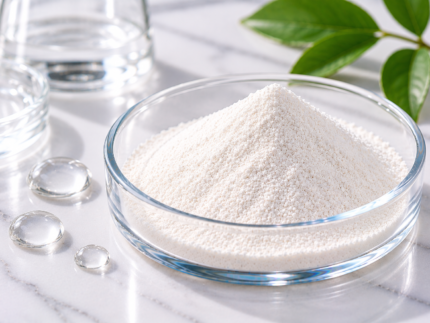
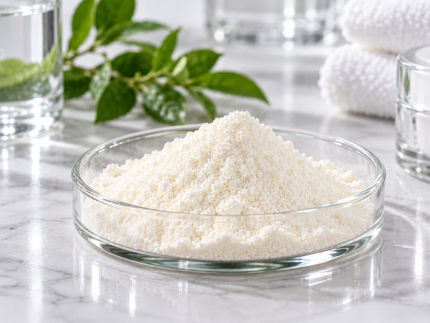
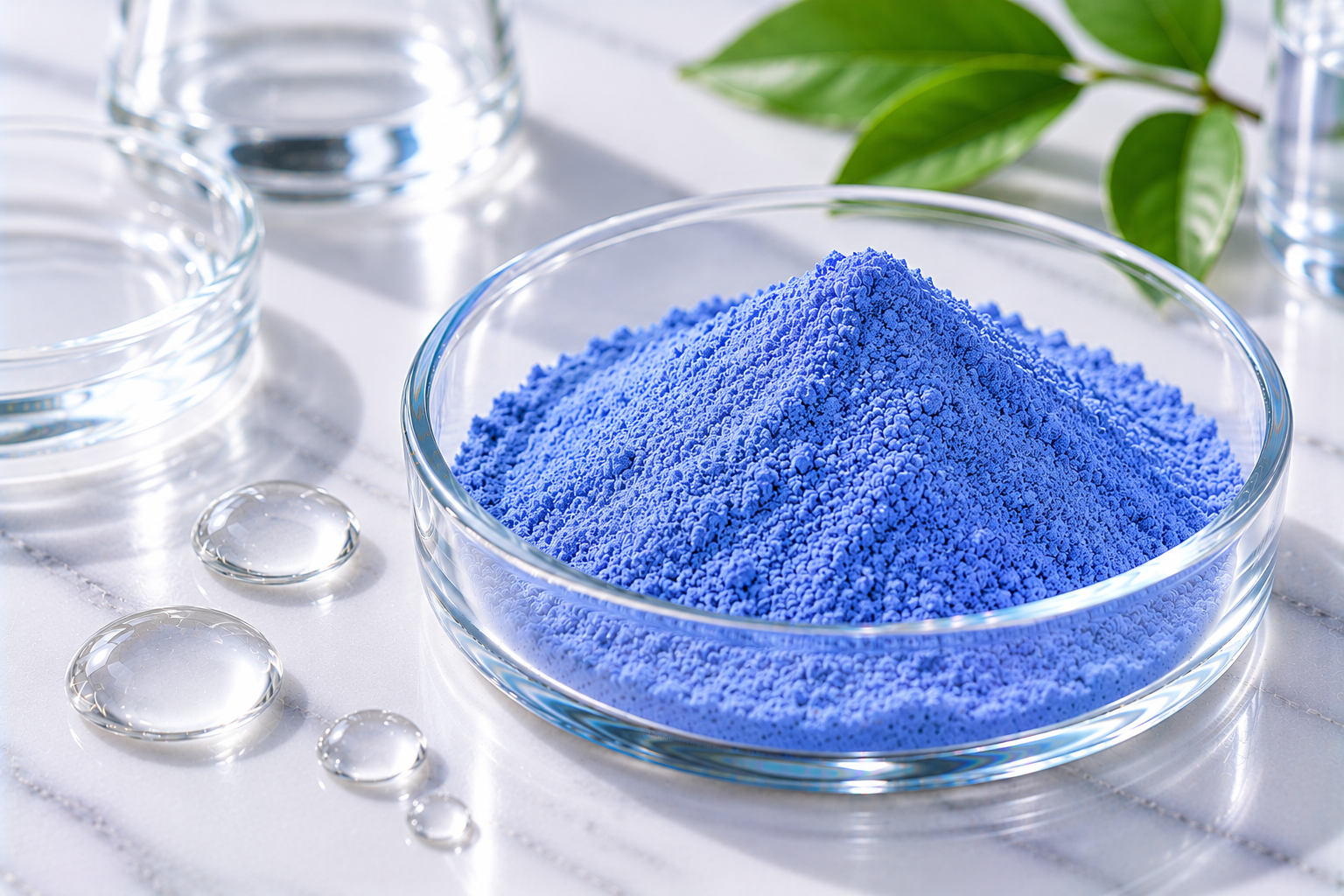
| Appearance & Color | Fine intense royal blue powder | Vibrant deep blue lyophilized powder | Clear transparent sky-blue liquid | Visual / Organoleptic |
| Odor & Sensory Fingerprint | Practically odorless; neutral, clean sensory profile; zero solvent off-notes | Organoleptic | ||
| Aqueous Clarity & Solubility | 100% freely soluble in water (>100 g/L; forms a crystal-clear blue solution; NTU < 2.0) | Visual / Turbidimetry | ||
| pH (1% Aqueous Solution) | 5.5 – 7.5 (at 25°C) | 5.5 – 7.0 | USP <791> Potentiometry | |
| Acetate Content (Counter-Ion) | ≤ 15.00% | ≤ 12.00% | N/A (Buffered water solution) | Ion Chromatography (IC) |
| Loss on Drying / Moisture | ≤ 7.00% | ≤ 5.00% | Water-based fluid carrier | Karl Fischer Titration |
| Heavy Metals (Excluding Copper) | Pb < 1.0 ppm, As < 1.0 ppm, Cd < 0.5 ppm, Hg < 0.1 ppm (Strict Prop 65) | ICP-MS | ||
| Residual Solvents (Acetonitrile, TFA) | Acetonitrile ≤ 410 ppm; Trifluoroacetic Acid (TFA) ≤ 1,000 ppm (Complies with USP <467>) | GC-HS / IC | ||
| Microbiological Limits | Total Aerobic Microbial Count ≤ 100 CFU/g; Yeast & Mold ≤ 10 CFU/g; Pathogens Absent | USP/EP Standard | ||
3. Functional Applications (Mechanism of Action)
Deploying pharmaceutical-grade Copper Tripeptide-1 across clinical anti-aging serums, post-laser barrier recovery hydrogels, and trichological formulations delivers scientifically verified cellular actions:
- Extracellular Matrix Collagen & Elastin Biosynthesis: GHK-Cu directly stimulates primary human dermal fibroblasts to upregulate procollagen mRNA transcription. In human comparative skin biopsy trials, topical GHK-Cu demonstrated superior stimulation of procollagen type I, type III, and type IV synthesis compared to both topical Vitamin C and retinoic acid. Concurrently, it activates tropoelastin synthesis and cross-linking, restoring dermal elasticity, firming sagging tissues, and smoothing fine lines and wrinkles.
- Balanced Extracellular Matrix Remodeling (MMPs vs. TIMPs): Unlike uncoordinated growth factors that can induce hypertrophic, stiff scarring, GHK-Cu orchestrates balanced tissue turnover. It upregulates matrix metalloproteinases (MMP-1 and MMP-2) to dismantle abnormal, disorganized collagen clumps in photodamaged skin or scars, while concurrently elevating tissue inhibitors of metalloproteinases (TIMP-1 and TIMP-2) to ensure new, orderly collagen deposition without structural degradation.
- Downregulation of Pro-Inflammatory Cytokines & TGF-β1: Excess transforming growth factor-beta 1 (TGF-β1) is the primary pathological trigger for hyper-fibrosis, scar thickening, and inflammatory redness. GHK-Cu suppresses TGF-β1 secretion, dampens tumor necrosis factor-alpha (TNF-α) and interleukin-6 (IL-6), and calms inflammatory microenvironments, accelerating scar-free wound closure and easing post-procedure erythema.
- Acceleration of Re-Epithelialization & Basal Stem Cell Renewal: Copper is a mandatory enzymatic cofactor for cytochrome c oxidase (mitochondrial ATP generation) and lysyl oxidase (collagen-elastin cross-linking). GHK-Cu delivers bioavailable copper directly to basal keratinocytes, stimulating their horizontal migration across denuded basement membranes and increasing the proliferative potential of epidermal basal stem cells to speed recovery following fractional laser, microneedling, and chemical peels.
- Scalp Angiogenesis & Hair Follicle Enlargement: In trichological physiology, GHK-Cu stimulates vascular endothelial growth factor (VEGF) and basic fibroblast growth factor (bFGF), expanding microcapillary networks around miniaturized follicular dermal papillae. Furthermore, it downregulates local 5-alpha-reductase enzymatic activity, shielding follicles from dihydrotestosterone (DHT) binding, enlarging follicular bulb dimensions, and converting resting telogen follicles into active anagen growth.
- Direct Endogenous Superoxide Dismutase (SOD) Activation: Divalent copper is the catalytic catalytic center of copper-zinc superoxide dismutase (Cu/Zn-SOD1). GHK-Cu directly supplies copper to apoprotein SOD, neutralizing damaging superoxide anion radicals (O₂•⁻), halting cellular lipid peroxidation, and shielding delicate epidermal membranes from environmental oxidative stress.
4. Formulation Combinations & Trending Market Applications
Capitalize on the expanding clinical anti-aging, post-procedure recovery, and medical scalp care markets by formulating with our versatile Copper Tripeptide-1 portfolio:
- The Master Clinical “Collagen Remodeling & Matrix Densifying” Blue Serum: Our Copper Tripeptide-1 (≥99.0% Powder, 0.1%–0.2% or 5,000 ppm Liquid, 2.0%–4.0%) + Multi-Molecular Weight Sodium Hyaluronate (1.0%) + Palmitoyl Tripeptide-1 & Palmitoyl Tetrapeptide-7 Complex (3.0%) + Ectoine (≥99.0%, 1.0%) + Propanediol (5.0%). The globally recognized benchmark blue peptide matrix: GHK-Cu drives collagen I/III synthesis and matrix remodeling, Matrikines reinforce dermal-epidermal junction (DEJ) architecture, Ectoine forms a protective hydration shell, and Hyaluronic Acid provides multi-depth plumping.
- The “Post-Laser & Barrier Rescue” Soothing Hydrogel: Our Copper Tripeptide-1 (≥98.0%, 0.1%) + PDRN (Sodium DNA ≥98%, 0.2%) + Madecassoside 95% (0.2%) + D-Panthenol (Vitamin B5, 2.0%) + Ceramide NP (Water-Soluble Nano-Liposomal 5%, 2.0%). A high-tolerance, fragrance-free recovery elixir designed for post-procedural recovery to clear procedural erythema, seal microscopic barrier breaches, and accelerate tissue re-epithelialization without stinging.
- The “Follicle Revival & Anti-Shedding” Scalp Density Serum: Our Copper Tripeptide-1 (≥98.0%, 0.15%–0.3%) + Caffeine Anhydrous (USP, 1.0%) + Saw Palmetto 45% CWS Extract (1.0%) + Biotinoyl Tripeptide-1 (0.005%) + Zinc PCA (0.5%) + Plant-Derived Squalane (3.0%). An advanced scalp tonic engineered to stimulate microcapillary perfusion to dermal papillae, block local 5-alpha-reductase conversion to DHT, and prolong the anagen hair growth phase.
- The High-Tolerance “Neuro-Sensitive & Redness Relief” Fluid: Our Pre-Solubilized GHK-Cu Liquid (5,000 ppm, 2.0% delivering 100 ppm active) + Glabridin (CWS Water-Soluble 10%, 0.5% delivering 0.05% active) + Bisabolol (≥95%, 0.5%) + Tremella Fuciformis Polysaccharide (0.5%) + Squalane (5.0%). A lightweight calming fluid designed to clear chronic flushing, quench vascular hyper-permeability, and restore barrier resilience in rosacea-prone skin types.
5. Why Choose Us As Your Long-Term Peptide Partner?
- Flexible Low MOQ Policy: Mitigate product launch risk. As an agile low MOQ Copper Tripeptide-1 bulk supplier, our orders start as low as 10 g for ultra-pure clinical lyophilized powder (≥99.0%), 100 g for standard cosmetic powder (≥98.0%), and 1 kg for pre-solubilized liquid solutions (1,000–5,000 ppm), scaling smoothly up to recurring multi-kilogram commercial production contracts.
- 100% Stoichiometric Chelation Guarantee (Cu:Peptide = 1:1): Free, unchelated copper ions can catalyze Fenton reactions, causing free-radical oxidation and formulation discoloration. Our proprietary coordination process ensures exact 1:1 stoichiometric binding, keeping free unbound copper strictly below 0.2%, ensuring high product stability and gentle tolerability.
- Multi-Product Portfolio Consolidation: Streamline your supply chain by sourcing your complete anti-aging and barrier active suite (Copper Tripeptide-1, Madecassoside, Ceramide NP, Bakuchiol, Ectoine, L-Ergothioneine, PDRN, Glabridin, Ferulic Acid), longevity vitamins (L-5-MTHF-Ca, β-NMN), and botanical extracts under a single, cost-effective freight shipment to reduce customs overhead and landed freight costs.
- Value-Added China Sourcing Service: In addition to our dedicated solid-phase peptide synthesis suites, preparative HPLC purification columns, and industrial lyophilization plants, our on-the-ground technical team audits upstream amino acid raw materials, validates RP-HPLC purity testing paperwork, and procures specialized functional ingredients across China tailored to your exact manufacturing roadmap.
6. Quality & Supply Chain Assurance
- Solid-Phase Peptide Synthesis (SPPS) Precision: Synthesized via automated solid-phase Fmoc-chemistry utilizing pure L-amino acids. Crude peptides undergo preparative reversed-phase HPLC purification, followed by controlled stoichiometric chelation with high-purity copper(II) acetate/chloride, sub-micron sterile filtration, and industrial lyophilization.
- Zero Synthetic Racemization: Tested via chiral amino acid analysis (AAA) and electrospray ionization mass spectrometry (ESI-MS). We certify 100% all-L stereoisomer configuration (Gly-L-His-L-Lys), verifying complete absence of inactive D-amino acid racemization artifacts or truncated peptide fragments.
- Strict Formulation Compatibility Guidelines: Copper Tripeptide-1 is a delicate coordination complex. It must be formulated within an optimal pH range of 5.5 to 7.0 and added during the cool-down phase below 40°C–45°C. Formulators must strictly avoid strong chelators (such as Disodium EDTA or Tetrasodium EDTA, which compete for and strip the copper ion), direct strong acids (AHA/BHA with pH < 4.5), and strong oxidizing agents.
- Spontaneous Water Solubility & Color Integrity: Lyophilized GHK-Cu dissolves rapidly and completely in room-temperature water (>100 g/L), producing an intense, optically clear royal blue solution without cloudiness or precipitate. When formulated without incompatible chelators, it maintains chemical and color stability across extended shelf-life cycles.
- Comprehensive ICP-MS Screening: Batch-tested via high-resolution ICP-MS to ensure non-copper heavy metals (Lead, Arsenic, Cadmium, Mercury) strictly comply with California Prop 65, European Cosmetic Regulation (EC) No 1223/2009, and China Safety and Technical Standards for Cosmetics. Sealed in sterile, light-proof pharmaceutical glass vials (10 g, 50 g, 100 g) and multi-layer fluorinated aluminum canisters (1 kg).
7. FAQ
Q1: What is the biological difference between Copper Tripeptide-1 (GHK-Cu) and free Tripeptide-1 (GHK)?
A1: While both share the same tripeptide sequence (Gly-His-Lys), their functional capabilities differ significantly:
- Free Tripeptide-1 (GHK): Acts primarily as a signaling matrikine, signaling fibroblasts that matrix breakdown has occurred and stimulating mild repair. However, it lacks the enzymatic cofactor required for structural enzymatic cross-linking.
- Copper Tripeptide-1 (GHK-Cu): Cheated to a divalent copper ion (Cu²⁺). Copper is a mandatory catalytic cofactor for lysyl oxidase (the enzyme that cross-links collagen and elastin into strong fibril matrices) and superoxide dismutase (Cu/Zn-SOD). GHK-Cu delivers this trace metal directly to cellular machinery, yielding significantly higher collagen-stimulating, wound-healing, and tissue-remodeling potency.
Q2: Why are chelating agents like Disodium EDTA forbidden in Copper Tripeptide-1 formulations?
A2: Disodium EDTA, Tetrasodium EDTA, and Sodium Phytate possess an exceptionally high thermodynamic stability constant for divalent copper ions—substantially higher than the binding affinity of the GHK tripeptide. When EDTA is present, it directly pulls the copper ion out of the GHK-Cu complex. This breaks down the square-planar copper peptide structure, strips the formulation of its blue color, and renders the peptide inactive. Formulators should omit traditional EDTA chelators or utilize gentle, non-stripping stabilizers like gluconolactone or polyols.
Q3: Can Copper Tripeptide-1 be formulated alongside Vitamin C (L-Ascorbic Acid) or Alpha Hydroxy Acids (AHAs)?
A3: Generally, no. Direct high-concentration pure L-Ascorbic Acid requires a very low pH (pH < 3.5) to penetrate the skin and acts as a strong reducing agent that can reduce Cu²⁺ to Cu⁺, destabilizing the peptide complex. Similarly, strong AHAs/BHAs operate at an acidic pH that hydrolyzes the copper-peptide bond. To formulate safely, brands should:
- Separate applications into morning and evening routines (e.g., Vitamin C in the morning, GHK-Cu in the evening).
- Use non-acidic, neutral Vitamin C derivatives (such as Ethyl Ascorbic Acid or Sodium Ascorbyl Phosphate) buffered within the peptide’s safe pH window of 5.5 to 7.0.
Q4: What is the recommended usage percentage of Copper Tripeptide-1 in finished skincare products?
A4: Formulating guidelines depend on the delivery format and target clinical claim:
- Daily Anti-Aging & Matrix Repair Serums: 0.05% to 0.1% of pure GHK-Cu powder (or 1.0%–2.0% of our pre-dispersed 5,000 ppm liquid; imparts a pleasant natural blue hue).
- Clinical Post-Laser & Intensive Recovery Balms: 0.1% to 0.2% of pure powder (or 2.0%–4.0% of 5,000 ppm liquid).
- Scalp Health & Hair Density Tonics: 0.1% to 0.3% of pure powder.
- Formulating Window: Optimal pH is 5.5 to 7.0; add during the cool-down phase below 40°C–45°C.
Q5: What is the MOQ for bulk Copper Tripeptide-1 orders?
A5: We support agile product commercialization with flexible minimum order quantities starting from just 10 g for ultra-pure clinical lyophilized powder (≥99.0%), 100 g for standard cosmetic grade (≥98.0%), and 1 kg for pre-solubilized liquid solutions (1,000–5,000 ppm), scaling smoothly up to recurring multi-kilogram commercial manufacturing contracts.
8. References
- PubChem: Prezatide Copper (GHK-Cu) Compound Summary (CID 73587) – National Center for Biotechnology Information.
- PubMed Central: Regenerative and Protective Actions of the GHK-Cu Peptide in the Light of the New Gene Data: A Review of Biochemical Mechanisms and Clinical Applications in Dermatology – National Institutes of Health research database.
Keywords you may search: bulk Copper Tripeptide-1 supplier, GHK-Cu manufacturer, copper peptide powder 99 percent HPLC, blue copper peptide 5000ppm liquid, dermal matrix remodeling matrikine raw material, wound healing copper peptide, anti wrinkle collagen peptide bulk, scalp hair growth copper peptide active, low MOQ peptide raw material provider, custom China ingredient sourcing service, pure GHK-Cu bulk