
Phenylethyl Resorcinol (Purity ≥99.0%-99.5% HPLC / SymWhite 377 Grade / Nano-Liposomal Options) | Gold Standard Resorcinol Active for Human Tyrosinase Inhibition, Spot Erasure & Tone Uniformity
1. Product Overview & Value Proposition
Phenylethyl Resorcinol (4-(1-phenylethyl)benzene-1,3-diol, commercially known as SymWhite 377, 苯乙基间苯二酚), structurally derived from the natural polyphenolic stilbene pinosylvin present in the wood bark of Scotch pine (Pinus sylvestris), represents the clinical pinnacle of targeted tyrosinase inhibition and stubborn spot eradication in dermatological cosmeceuticals. While classic brightening ingredients (such as arbutin, kojic acid, or ascorbic acid) require relatively high usage levels or display poor lipophilic cellular penetration, Phenylethyl Resorcinol combines a compact, highly lipophilic 1-phenylethyl moiety with a 1,3-dihydroxybenzene (resorcinol) core. This specific structural geometry allows effortless partitioning through the hydrophobic stratum corneum and rapid membrane diffusion into the inner melanosomal compartments of basal epidermal melanocytes.
In cutaneous biochemistry, Phenylethyl Resorcinol functions as an extraordinary non-cytotoxic, competitive antagonist of human tyrosinase, the rate-limiting copper-dependent enzyme catalyzing both the hydroxylation of monophenols (L-tyrosine) and the oxidation of diphenols (L-DOPA). In comparative melanocyte co-culture bioassays, Phenylethyl Resorcinol demonstrated an IC50 for melanin suppression that is approximately 22 times lower than kojic acid, 50 times lower than hydroquinone, and over 100 times lower than beta-arbutin. Importantly, it achieves this profound depigmenting action without inducing apoptotic melanocyte cell death, cellular vacuolization, or rebound ochronosis. Concurrently, it acts as a chain-breaking antioxidant that neutralizes ultraviolet-induced reactive oxygen species (ROS), blocks squalene peroxidation in sebum, downregulates activator protein-1 (AP-1), and accelerates the clearance of post-inflammatory hyperpigmentation (PIH), hormonal melasma, and solar lentigines. We supply specialized commercial grades tailored to various manufacturing technologies:
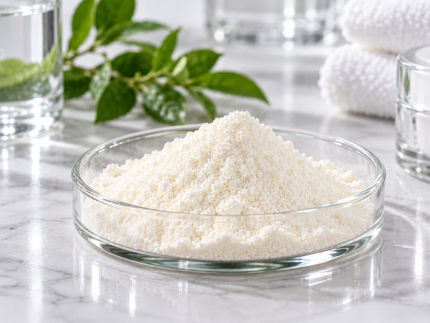
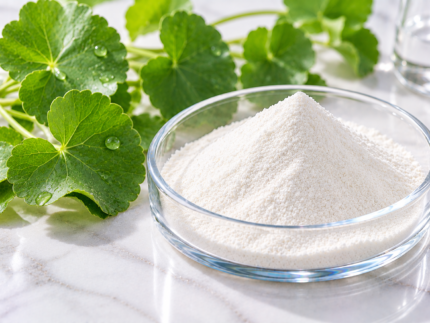
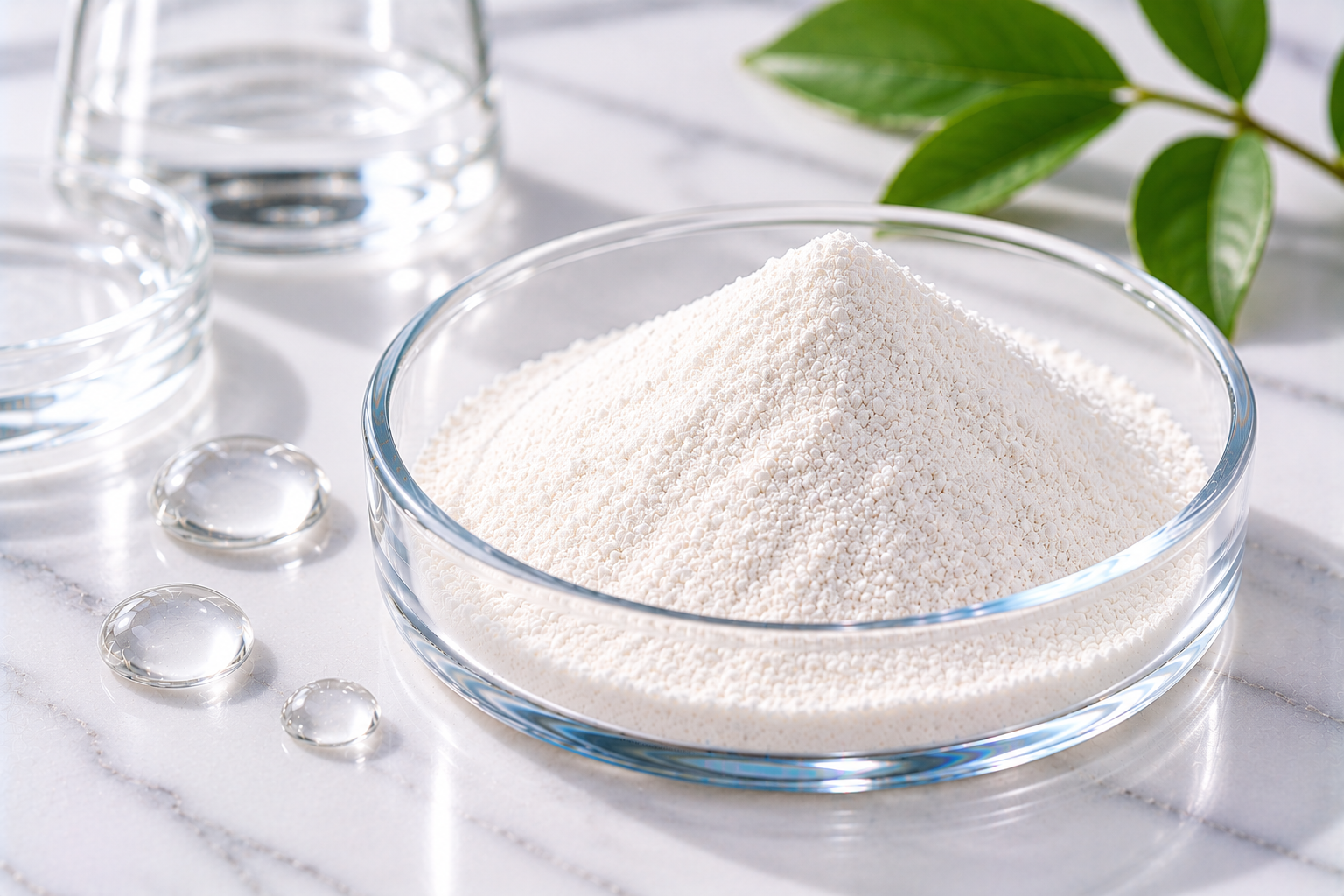
- Ultra-Pure Clinical Crystalline Powder (≥ 99.0% & 99.5% HPLC): Snow-white microcrystalline powder, free of unreacted resorcinol and synthetic by-products, engineered for prestige anti-spot serums, targeted dark-spot correctors, and barrier repair emulsions.
- Cold-Water-Dispersible (CWD) Nano-Liposomal & Liquid Dispersions (5.0%–10.0%): Pre-solubilized nano-emulsions utilizing hydrogenated lecithin and stabilizing glycols. Solves the low water solubility of raw crystals, enabling cold-process incorporation into crystal-clear brightening toners, essence waters, and post-procedure sheet masks without precipitation or haze.
- Stabilized Anti-Discoloration Systems: Co-processed lipid matrices formulated with chelating synergists to protect the resorcinol ring against oxidative pink or red discoloration throughout long-term commercial shelf-life cycles.
As an established bulk Phenylethyl Resorcinol manufacturer and direct active ingredient supplier, we synthesize our high-assay raw material using selective catalytic alkylation, multi-stage industrial recrystallization, and automated chromatography lines. To empower agile skincare brands, cosmetic chemists, and contract manufacturing organizations (CMOs), we pair uncompromising analytical quality with flexible commercial terms: accessible low MOQ procurement for benchtop pilot trials, multi-ingredient shipment consolidation across our cosmetic bioactives (Alpha-Arbutin, Glabridin, Ferulic Acid, Phloretin, Ceramide NP, Madecassoside, Bakuchiol, Ectoine), and dedicated on-the-ground China-wide raw material sourcing assistance tailored to your exact manufacturing roadmap.
2. Product Specifications (Analytical Quality)
| Test Item | Standard Cosmetic Grade (≥99.0%) | Ultra-Pure Prestige Grade (≥99.5%) | Nano-Liposomal Grade (5.0%-10.0%) | Test Method |
|---|---|---|---|---|
| Chemical Identification | Conforms to authentic Phenylethyl Resorcinol primary reference retention time & FTIR spectrum | USP <197K> FTIR / HPLC-UV / 1H-NMR | ||
| Phenylethyl Resorcinol Assay | ≥ 99.00% (HPLC-UV, Dry Basis) | ≥ 99.50% (Clinical 377 Target) | 5.00% – 10.00% (Active 377) | HPLC-UV (at 280 nm) |
| Unreacted Resorcinol Residue | ≤ 0.10% (1,000 ppm) | ≤ 0.05% (500 ppm) | ≤ 0.01% / Non-detectable | HPLC-UV (Safety Baseline) |
| 2,4-Bis(1-phenylethyl)resorcinol | ≤ 0.50% | ≤ 0.20% | ≤ 0.10% | HPLC-UV (Dialkylated Byproduct) |
| Total Related Substances | ≤ 1.00% | ≤ 0.50% | ≤ 0.20% | HPLC-UV |
| Melting Point Range | 75.0°C – 79.0°C | 76.0°C – 79.0°C | N/A (Liquid / Nano-dispersion) | Capillary Melting Apparatus |
| Appearance & Color | White to pale off-white powder | Pure snow-white crystalline powder | Translucent to milky fluid | Visual / Organoleptic |
| Odor & Sensory Fingerprint | Practically odorless; neutral, clean sensory profile; zero solvent off-notes | Organoleptic | ||
| Solubility Profile | Insoluble in water (~10 mg/L); freely soluble in glycols, ethanol, and cosmetic esters | 100% dispersible in cold water (Translucent nano-emulsion; d50 < 100 nm) | USP <641> / Dynamic Light Scattering | |
| Particle Size | 100% passing 80 mesh (Ultra-fine micronized powder) | Average droplet size < 100 nm | Sieve Analysis / Laser Diffraction | |
| Loss on Drying / Moisture | ≤ 0.50% | Water-based fluid carrier | USP <731> (105°C) / Karl Fischer | |
| Residue on Ignition (Ash) | ≤ 0.10% | ≤ 0.10% | USP <281> (600°C) | |
| Heavy Metals (Pb) | < 1.0 ppm (As < 1.0 ppm, Cd < 0.5 ppm, Hg < 0.1 ppm; Prop 65 compliant) | ICP-MS | ||
| Residual Solvents (Ethanol, Toluene) | ≤ 3,000 ppm Ethanol; Toluene ≤ 10 ppm / Non-detectable (Meets USP <467>) | GC-HS | ||
| Microbiological Limits | Total Aerobic Microbial Count ≤ 100 CFU/g; Yeast & Mold ≤ 10 CFU/g; Pathogens Absent | USP/EP Standard | ||
3. Functional Applications (Mechanism of Action)
Deploying pharmaceutical-grade Phenylethyl Resorcinol across clinical brightening serums, targeted spot correctors, and aesthetic photo-defense formulations provides scientifically verified cellular and biophysical mechanisms:
- Competitive Inhibition of Human Tyrosinase Catalytic Sites: Phenylethyl Resorcinol acts as a high-potency, competitive inhibitor of tyrosinase. Its dual phenolic hydroxyl groups on the resorcinol ring mimic the natural substrate L-DOPA, chelating with high stereochemical affinity to the binuclear copper (CuA and CuB) active pocket. This blocks both the monophenolase and diphenolase catalytic cycles, halting melanin polymer synthesis before dopachrome intermediates can form.
- High Cellular Lipophilicity & Melanosome Accumulation: Unlike polar, water-soluble depigmenting actives that struggle to penetrate cellular membranes, Phenylethyl Resorcinol’s aromatic 1-phenylethyl substituent gives it an optimal octanol-water partition coefficient (logP ~3.6). This allows the molecule to readily pass through the stratum corneum lipid matrix, cross melanocyte plasma membranes, and concentrate directly inside inner melanosomes where tyrosinase is actively localized.
- Chain-Breaking Antioxidant & Singlet Oxygen (¹O₂) Quenching: Exposure to solar ultraviolet radiation (UVA/UVB) stimulates cellular reactive oxygen species (ROS) in epidermal keratinocytes, triggering melanin synthesis via paracrine signaling. Phenylethyl Resorcinol acts as an effective chain-breaking phenolic antioxidant, neutralizing singlet oxygen and hydroxyl radicals with higher efficacy than alpha-tocopherol, thereby suppressing UV-induced melanogenic triggers at their source.
- Inhibition of Sebum Lipid & Squalene Peroxidation: The lipophilic nature of Phenylethyl Resorcinol enables it to dissolve into cutaneous sebum secretions. It prevents the auto-oxidation and peroxidation of squalene into squalene monohydroperoxide, a major biological trigger for comedone formation, follicular hyperkeratosis, and inflammatory acne flares.
- Targeted Clearance of Post-Inflammatory Hyperpigmentation (PIH): Following acne lesions, chemical peels, or laser resurfacing, localized keratinocyte inflammation leaves persistent brown macules. Phenylethyl Resorcinol rapidly clears localized hyperpigmentation by shutting down melanocyte hyperactivity, restoring even skin tone without causing halo leukoderma or perimeter hypopigmentation.
- Formulation Stability & Anti-Discoloration Dynamics: Resorcinol derivatives can be sensitive to trace heavy-metal oxidation, which may cause pink or reddish-brown tinting in aqueous formulations. When formulated within an optimal pH range of 4.0 to 5.5 alongside chelating agents (disodium EDTA) and antioxidant synergists (sodium metabisulfite, ferulic acid, or ethyl ascorbic acid), Phenylethyl Resorcinol exhibits chemical and color stability across extended shelf-life cycles.
4. Formulation Combinations & Trending Market Applications
Capitalize on the expanding clinical spot-correction, aesthetic brightening, and clean cosmeceutical markets by formulating with our versatile Phenylethyl Resorcinol portfolio:
- The Master Clinical “377 Dark-Spot Eraser” Serum: Our Phenylethyl Resorcinol (≥99.5%, 0.5% maximum approved limit) + Niacinamide (≥99.5%, 3.0%–5.0%) + Tranexamic Acid (USP, 2.0%) + Ethyl Ascorbic Acid (Lipophilic Vitamin C, 2.0%) + Bisabolol (≥95%, 0.5%). The globally recognized benchmark spot-fading matrix: 377 inhibits tyrosinase catalytic activity, Tranexamic Acid dampens plasmin-induced melanocyte activation, Niacinamide blocks melanosome transfer, and Bisabolol calms underlying micro-inflammation.
- The “Post-Acne PIH & Blemish-Clarifying” Fluid: Our Phenylethyl Resorcinol (≥99.5%, 0.3%) + Azelaic Acid Derivative (Potassium Azeloyl Diglycinate, 3.0%) + Salicylic Acid (USP, 1.0%) + Glabridin (CWS Water-Soluble 10%, 0.5% delivering 0.05% active) + Zinc PCA (1.0%). A targeted clarifying emulsion designed to regulate sebum, dissolve pore blockages, clear post-inflammatory erythema (PIE), and erase stubborn brown acne marks (PIH).
- The “Post-Laser & Barrier Repair” Night Balm: Our Nano-Liposomal Phenylethyl Resorcinol (5% Active, 4.0% delivering 0.2% active) + Ceramide NP (≥98%, 0.2%) + Madecassoside 95% (0.2%) + PDRN (Sodium DNA ≥98%, 0.2%) + Ectoine (≥99.0%, 1.0%). A soothing, restorative night balm engineered for post-procedure recovery to clear procedural pigmentation, rebuild the intercellular lipid barrier, and accelerate dermal re-epithelialization without stinging.
- The High-Clarity “Radiant Glow” Essence Water: Our Water-Dispersible Nano-Liposomal Phenylethyl Resorcinol (10% Active, 2.0% delivering 0.2% active) + Alpha-Arbutin (≥99.5%, 1.0%) + Ectoine (1.0%) + Multi-Molecular Weight Sodium Hyaluronate (0.5%) + Propanediol (5.0%). A crystal-clear, refreshing aqueous essence designed to deliver rapid skin-tone brightening, deep cellular hydration, and environmental antioxidant protection without cloudiness or sticky residue.
5. Why Choose Us As Your Long-Term Active Ingredient Partner?
- Flexible Low MOQ Policy: Mitigate product launch risk. As an agile low MOQ Phenylethyl Resorcinol bulk supplier, our orders start as low as 100 g for ultra-pure prestige clinical grades (≥99.5%), 500 g for standard cosmetic grade (≥99.0%), and 1 kg for pre-dispersed nano-liposomal liquids (5%–10%), scaling smoothly up to recurring multi-hundred kilogram commercial manufacturing contracts.
- Guaranteed Resorcinol Safety & Ultra-Low Impurities: Residual unreacted resorcinol is the primary cause of skin sensitization and regulatory rejection in 377 sourcing. Our multi-stage recrystallization process guarantees residual unreacted resorcinol remains strictly ≤ 0.05% (500 ppm), ensuring full compliance with European Cosmetic Regulation and China NMPA safety assessments.
- Multi-Product Portfolio Consolidation: Streamline your procurement by sourcing your complete brightening and barrier active suite (Phenylethyl Resorcinol, Alpha-Arbutin, Glabridin, Ferulic Acid, Phloretin, Ceramide NP, Madecassoside, Bakuchiol, Ectoine, L-Ergothioneine, PDRN), longevity vitamins (L-5-MTHF-Ca, β-NMN), and botanical extracts under a single, cost-effective freight shipment to reduce customs overhead and landed freight costs.
- Value-Added China Sourcing Service: In addition to our dedicated chemical synthesis lines, liposomal nano-homogenization facilities, and high-vacuum crystallization suites, our on-the-ground technical team audits upstream intermediate manufacturing, validates HPLC impurity profiling paperwork, and procures specialized functional ingredients across China tailored to your exact manufacturing roadmap.
6. Quality & Supply Chain Assurance
- Precision Chemical Synthesis & Dialkylated Impurity Control: Synthesized via Friedel-Crafts alkylation of pure resorcinol with styrene. Our proprietary catalytic process suppresses dialkylated side-products (2,4-bis(1-phenylethyl)resorcinol), which can reduce solubility and cause batch haze. Multi-stage solvent crystallization yields an ultra-pure, crystalline white powder.
- Advanced Solubilization & Anti-Discoloration Technology: Raw Phenylethyl Resorcinol crystals melt between 75°C and 79°C and are virtually insoluble in plain water. We provide both high-purity crystalline powders for oil-phase compounding and pre-solubilized nano-liposomal grades (5%–10% active) that disperse transparently into room-temperature water without heating or crystal precipitation.
- Validated HPLC Analytical Standardization: Every commercial batch is tested against certified primary reference standards using High-Performance Liquid Chromatography (HPLC-UV at 280 nm). We quantify pure Phenylethyl Resorcinol, verify the absence of heavy-metal catalysts, and guarantee batch-to-batch active potency and color stability.
- Formulation Compatibility & Color Stability Protocols: High-purity Phenylethyl Resorcinol is pure white to off-white, preventing the initial formula yellowing caused by inferior grades. When formulated with chelators (disodium EDTA) and water-soluble antioxidants (such as sodium metabisulfite or sodium bisulfite at 0.1%–0.2%) within pH 4.0 to 5.5, it resists oxidative pink or brown discoloration over accelerated shelf-life cycles.
- Comprehensive ICP-MS & Heavy Metal Screening: Batch-tested via high-resolution ICP-MS to ensure heavy metals (Lead, Arsenic, Cadmium, Mercury) strictly comply with California Prop 65, European Cosmetic Regulation (EC) No 1223/2009, and China Safety and Technical Standards for Cosmetics. Sealed in food/pharma-grade double-polyethylene liners within light-proof aluminum bottles (100 g, 500 g, 1 kg) and heavy-duty 25 kg fiber export drums.
7. FAQ
Q1: What is the regulatory maximum usage limit for Phenylethyl Resorcinol (377) in cosmetics?
A1: Regulatory agencies establish specific maximum concentrations for Phenylethyl Resorcinol to guarantee skin safety while maintaining clinical depigmenting efficacy:
- China NMPA / IECIC: Officially approved for leave-on cosmetics at a maximum concentration of 0.50%. Products formulated at or below 0.5% meet national safety technical specifications.
- European Union (Cosmetic Regulation EC 1223/2009): Typically formulated at 0.1% to 0.5% in high-end brightening facial serums and dark-spot treatments.
- Clinical Efficacy: Due to its exceptional potency, clinical studies demonstrate that concentrations as low as 0.1% to 0.3% deliver visible reductions in hyperpigmentation and improvement in skin tone uniformity within 4 to 8 weeks.
Q2: Why are Phenylethyl Resorcinol formulations prone to turning pink or red, and how can formulators prevent it?
A2: Phenylethyl Resorcinol contains a resorcinol (1,3-dihydroxybenzene) core. In the presence of alkaline pH, trace transition metal ions (such as iron or copper), or dissolved oxygen, the hydroxyl groups can undergo oxidative coupling to form quinone-type chromophores, causing the cosmetic emulsion to turn faint pink, peach, or reddish-brown. Formulators successfully prevent discoloration using four standard formulating safeguards:
- pH Control: Buffer the finished formulation to a slightly acidic pH window of 4.0 to 5.5. Avoid alkaline conditions (pH > 6.0).
- Chelating Agents: Incorporate 0.05% to 0.1% disodium EDTA or sodium phytate to sequester trace pro-oxidant metal ions.
- Antioxidant Protection: Add 0.1% to 0.2% sodium metabisulfite, sodium bisulfite, or co-formulate with lipophilic antioxidants (such as 0.5% Ferulic Acid or Vitamin E).
- Light-Proof Packaging: Package finished products in opaque, airless pump containers to minimize exposure to atmospheric oxygen and ambient ultraviolet light.
Q3: How do formulators dissolve crystalline Phenylethyl Resorcinol without recrystallization?
A3: Pure crystalline Phenylethyl Resorcinol is lipophilic and practically insoluble in room-temperature water (~10 mg/L). Formulators incorporate it cleanly using three standard techniques:
- Glycol Pre-Dissolution: Dissolve the crystals in 5%–10% cosmetic glycols (such as propanediol, 1,3-butylene glycol, or propylene glycol) at 40°C–50°C, then blend into the formulation during the cool-down phase below 45°C.
- Oil Phase Solubilization: Heat the oil phase to 75°C–80°C (matching its 76°C melting point) in the presence of polar cosmetic emollients (such as C12-15 alkyl benzoate, caprylic/capric triglyceride, or diisopropyl adipate) before emulsification.
- Utilizing Nano-Liposomal Liquids: For aqueous essences, transparent toners, and sheet masks, utilize our 5%–10% nano-liposomal liquid dispersion, which disperses instantly and transparently in cold water without heating or crystal precipitation.
Q4: What is the biological difference between Phenylethyl Resorcinol and 4-Butylresorcinol?
A4: Both are synthetic resorcinol derivatives engineered for tyrosinase inhibition, but their molecular side chains and physical characteristics differ:
- Phenylethyl Resorcinol (377): Features an aromatic 1-phenylethyl substituent. It exhibits high lipophilicity (logP ~3.6) and is inspired by the natural stilbene pinosylvin. It combines tyrosinase inhibition with potent antioxidant and lipid anti-peroxidation properties, and is widely favored in prestige spot-correcting serums.
- 4-Butylresorcinol: Features a linear 4-carbon aliphatic butyl chain. It is slightly more polar, displays high selectivity for human tyrosinase and TRP-1, and is often selected for treating broad-area melasma and refractory facial hyperpigmentation. Both actives rank among the most effective non-prescription depigmenting agents available.
Q5: What is the MOQ for bulk Phenylethyl Resorcinol orders?
A5: We support agile product commercialization with flexible minimum order quantities starting from just 100 g for ultra-pure prestige clinical crystals (≥99.5%), 500 g for standard cosmetic grade (≥99.0%), and 1 kg for pre-dispersed nano-liposomal liquids (5%–10%), scaling smoothly up to recurring multi-hundred kilogram commercial manufacturing contracts.
8. References
- PubChem: 4-(1-Phenylethyl)benzene-1,3-diol (Phenylethyl Resorcinol) Compound Summary (CID 68257) – National Center for Biotechnology Information.
- PubMed Central: Phenylethyl Resorcinol: A Novel, Highly Effective Human Tyrosinase Inhibitor for the Treatment of Facial Hyperpigmentation – Clinical Efficacy and Safety Profile – National Institutes of Health research database.
Keywords you may search: bulk Phenylethyl Resorcinol supplier, SymWhite 377 manufacturer, phenylethyl resorcinol powder 99.5 percent HPLC, 377 spot eraser raw material, tyrosinase inhibitor cosmetic active, nano liposomal phenylethyl resorcinol, post inflammatory hyperpigmentation PIH active, anti discoloration skin brightening raw material, low MOQ cosmetic raw material provider, custom China ingredient sourcing service, pure phenylethyl resorcinol bulk