
Tetrahydropiperine (Purity ≥98.0%-99.0% HPLC / Natural Piper Nigrum Derived / Cosmoperine Benchmark) | Gold Standard Natural Bio-Enhancer for Stratum Corneum Fluidization & Transdermal Penetration
1. Product Overview & Value Proposition
Tetrahydropiperine (5-(1,3-benzodioxol-5-yl)-1-(piperidin-1-yl)pentan-1-one, THP, 四氢胡椒碱), commercially recognized under the global benchmark trade name Cosmoperine, represents nature’s premier clinical-grade transdermal penetration enhancer and bioavailability booster in advanced cosmeceuticals, dermatological delivery systems, and aesthetic skin therapy. In topical dermatology, the stratum corneum’s densely packed, semi-crystalline intercellular lipid matrix (composed of ceramides, cholesterol, and free fatty acids) serves as an impermeable barrier that blocks up to 95% to 99% of topically applied cosmetic active ingredients from penetrating viable epidermis. While synthetic chemical penetration enhancers (such as Azone/laurocapram, dimethyl sulfoxide/DMSO, and high-concentration short-chain glycols) facilitate absorption by indiscriminately stripping lipids or disrupting skin membranes, they notoriously trigger severe cutaneous erythema, contact dermatitis, and barrier breakdown.
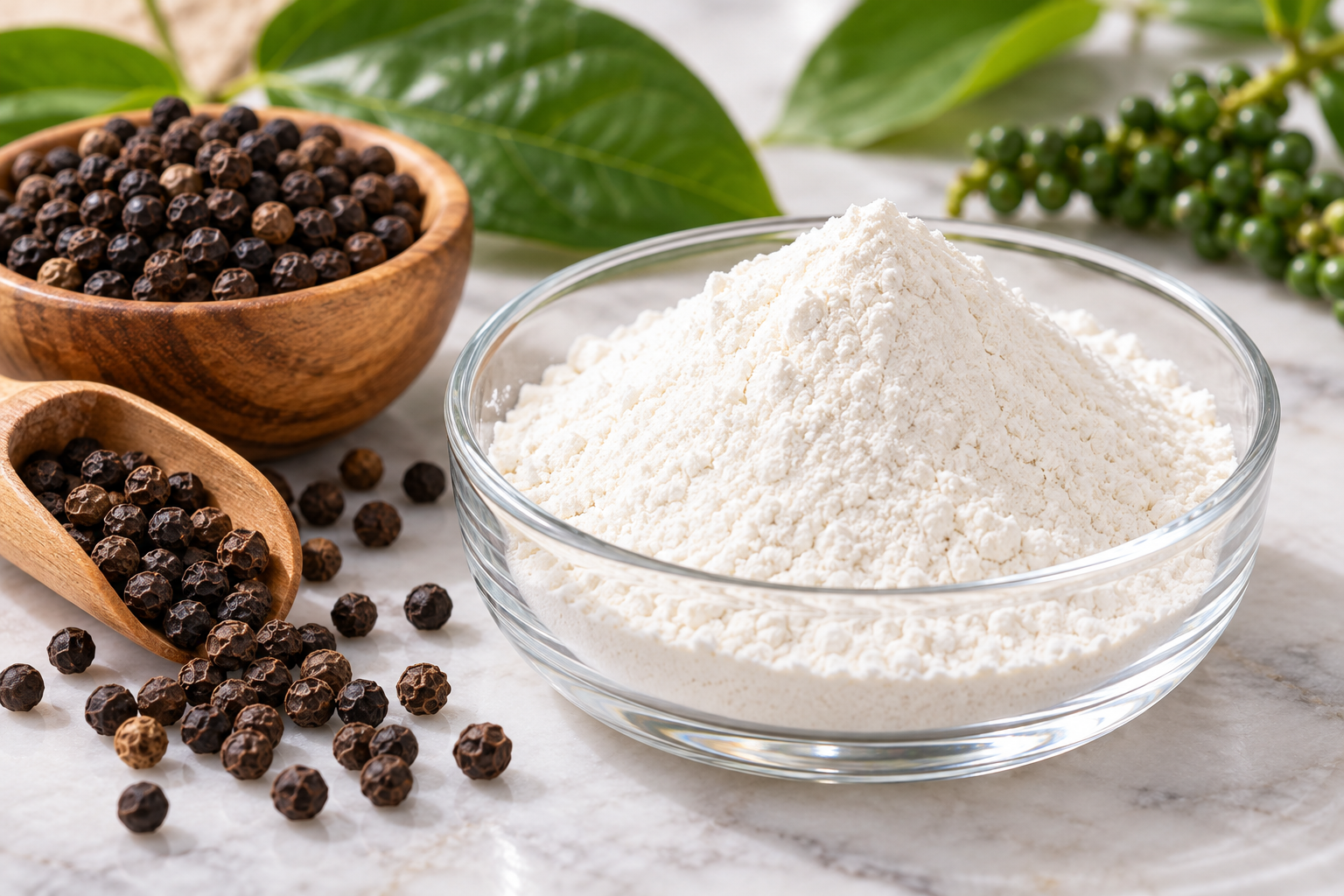
Tetrahydropiperine powder resolves this formulation challenge through targeted biomimetic science. Produced via precision catalytic saturation of the conjugated double bonds in natural piperine (extracted from Piper nigrum L. black pepper berries), THP converts the rigid, photolabile pentadienoyl bridge of piperine into a flexible, fully saturated pentanoyl hydrocarbon linker. This molecular transformation delivers two major functional breakthroughs: first, it completely strips the compound of the hot, burning, and pungent irritation characteristic of dietary black pepper, creating a non-sensitizing, skin-compatible topical active; second, it enhances rotational conformational freedom, allowing the molecule to effortlessly intercalate between the alkyl chains of stratum corneum lipid bilayers. By temporarily and reversibly lowering the lipid phase-transition temperature, THP fluidizes intercellular lamellae, opening temporary micro-pathways that accelerate the transdermal flux and cellular bio-accumulation of co-formulated actives (such as Tetrahydrocurcumin, Vitamin C, Resveratrol, 4-Butylresorcinol, Retinoids, Peptides, and Botanical Extracts) by 30% to over 200% at usage levels as low as 0.05% to 0.1%. Our bulk Tetrahydropiperine active delivers verified performance across primary commercial sectors:
- Clinical Depigmenting & Melasma Serums: Dramatically boosts the follicular and trans-epidermal penetration of stubborn, poorly soluble brightening actives (such as Tetrahydrocurcumin, Phenylethyl Resorcinol 377, Glabridin, and 4-Butylresorcinol), accelerating visible spot clearance.
- Anti-Aging Peptides & Procollagen Formulations: Facilitates the transdermal delivery of large, high-molecular-weight signaling and neurotransmitter-inhibiting peptides (Palmitoyl Pentapeptide-4, Acetyl Hexapeptide-8, Copper Tripeptide-1), allowing them to reach target dermal fibroblasts.
- Scalp & Trichological Hair-Density Tonics: Amplifies follicular delivery of caffeine, saw palmetto sterols, and peptide complexes directly into miniaturized hair follicle bulbs, enhancing hair shaft thickness and follicular retention.
- Retinoid & Phyto-Retinol Anti-Wrinkle Lotions: Enhances the cutaneous delivery of Bakuchiol and Retinol while reducing the required dosage of irritating retinoids, minimizing flaking and retinoid dermatitis.
As an established bulk Tetrahydropiperine manufacturer and direct active ingredient supplier, our manufacturing facilities operate dedicated natural piperine extraction lines, high-pressure catalytic hydrogenation reactors, continuous column chromatography purification systems, and clean crystallization suites. To empower agile skincare brands, formulation laboratories, and contract manufacturing organizations (CMOs), we pair uncompromising analytical quality with flexible commercial terms: accessible low MOQ procurement for benchtop pilot trials, multi-ingredient shipment consolidation across our cosmetic bioactives (Tetrahydrocurcumin, 4-Butylresorcinol, Phenylethyl Resorcinol 377, Alpha-Arbutin, Glabridin, Ferulic Acid, Phloretin, Ceramide NP, Madecassoside), and dedicated on-the-ground China-wide raw material sourcing assistance tailored to your exact manufacturing roadmap.
2. Product Specifications (Analytical Quality)
| Test Item | Standard Cosmetic Grade (≥95.0%) | Ultra-Pure Prestige Grade (≥98.0%) | Pharma / Reference Grade (≥99.0%) | Test Method |
|---|---|---|---|---|
| Chemical Identification | Conforms to authentic Tetrahydropiperine reference retention time, molecular mass (m/z 290.2 [M+H]&squo;) & FTIR spectrum | FTIR / HPLC-UV / ESI-MS / 1H-NMR | ||
| Tetrahydropiperine Assay | ≥ 95.00% (HPLC-UV, Dry Basis) | ≥ 98.00% (Clinical Target) | ≥ 99.00% (High-Purity Benchmark) | HPLC-UV (at 285 nm) |
| Residual Piperine (Pungency Marker) | ≤ 1.00% | ≤ 0.50% (Strictly Non-Pungent) | ≤ 0.10% / Non-detectable | HPLC-UV (at 343 nm) |
| Dihydropiperine Intermediates | ≤ 2.00% | ≤ 0.80% | ≤ 0.30% | HPLC-UV |
| Total Related Substances | ≤ 3.00% | ≤ 1.50% | ≤ 0.50% | HPLC-UV |
| Melting Point Range | 39.0°C – 43.0°C | 41.0°C – 44.0°C | 41.5°C – 44.0°C | Capillary Melting Apparatus |
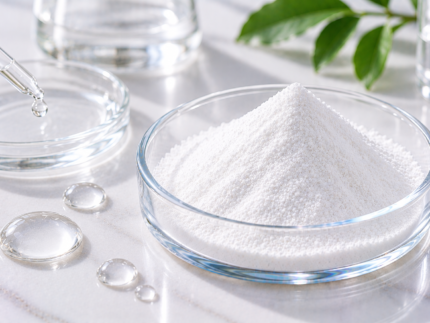
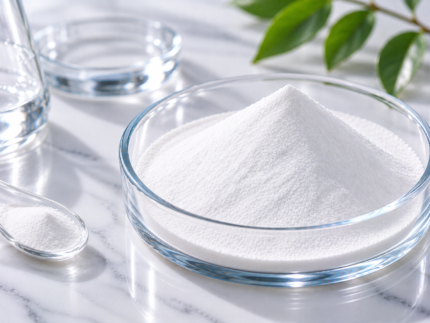
| Appearance & Color | Off-white low-melting crystalline solid | White to off-white crystalline powder / wax | Pure white crystalline powder / soft flakes | Visual / Organoleptic |
| Odor & Sensory Fingerprint | Practically odorless; faint clean botanical note; zero pungency, pepper burn, or chemical odor | Organoleptic | ||
| Solubility Profile | Practically insoluble in water (<0.1 g/L); freely soluble in ethanol, glycols, and cosmetic oils/esters | USP <641> | ||
| Loss on Drying / Moisture | ≤ 0.50% | ≤ 0.20% | USP <731> (at 35°C under vacuum) | |
| Residue on Ignition (Ash) | ≤ 0.10% | ≤ 0.05% | USP <281> (600°C) | |
| Heavy Metals (as Pb) | < 1.0 ppm (As < 1.0 ppm, Cd < 0.5 ppm, Hg < 0.1 ppm; Prop 65 compliant) | ICP-MS | ||
| Residual Catalyst (Palladium/Nickel) | Pd ≤ 5.0 ppm; Ni ≤ 5.0 ppm (Complies with ICH Q3D elemental impurity limits) | ICP-MS | ||
| Residual Solvents (Ethanol, Ethyl Acetate) | ≤ 3,000 ppm Ethanol; ≤ 1,000 ppm Ethyl Acetate (Meets USP <467>) | GC-HS | ||
| Microbiological Limits | Total Aerobic Microbial Count ≤ 100 CFU/g; Yeast & Mold ≤ 10 CFU/g; Pathogens Absent | USP/EP Standard | ||
3. Functional Applications (Mechanism of Action)
Deploying pharmaceutical-grade Tetrahydropiperine across clinical brightening serums, anti-wrinkle peptide creams, and transdermal scalp formulations delivers scientifically verified biophysical actions:
- Stratum Corneum Intercellular Lipid Fluidization: The stratum corneum matrix is governed by densely organized, orthorhombic crystalline lamellar sheets of ceramides, cholesterol, and fatty acids. With its lipophilic octanol-water partition coefficient (logP ~3.3) and flexible alkyl-chain architecture, Tetrahydropiperine intercalates between the fatty-acyl tails of intercellular lipids. It disrupts tight lipid-packing geometry and lowers the phase-transition temperature, temporarily transitioning rigid gel-phase lipids into disordered, fluid liquid phases to facilitate active substance diffusion.
- Multiplication of Transdermal Active Permeation (30% to >200%): In ex-vivo Franz diffusion cell models utilizing human epidermal membranes, the addition of 0.05% to 0.1% Tetrahydropiperine dramatically enhanced the cumulative transdermal penetration and cutaneous absorption of challenging bioactives. It boosted the dermal flux of Tetrahydrocurcumin by over 30%, Ascorbic Acid by 40%, and water-soluble peptides by up to 200%, allowing formulators to achieve superior clinical efficacy with lower active concentrations.
- Non-Pungent, Non-Sensitizing Cutaneous Tolerability: Natural raw piperine stimulates cutaneous transient receptor potential vanilloid 1 (TRPV1) ion channels, provoking acute burning sensations, microvascular vasodilation, and erythema. By saturating the conjugated double bonds via catalytic hydrogenation, Tetrahydropiperine loses all TRPV1 agonist activity. It interacts with cutaneous lipids purely through physical fluidization without irritating nerve endings or causing inflammatory redness.
- Reversible Barrier Modulation with Zero Cytotoxicity: Unlike harsh synthetic chemical penetration enhancers (Azone, DMSO, or dimethylacetamide) that permanently extract lipids or denature structural keratin filaments, THP’s fluidizing action is entirely gentle and reversible. Evaporimeter evaluations confirm that stratum corneum lamellar lipids re-align into their natural orthorhombic barrier state within hours following application, producing zero permanent barrier breakdown or spikes in transepidermal water loss (TEWL).
- Follicular Funnel Accumulation & Scalp Bioavailability: Sebaceous follicles represent low-resistance shunt pathways for active penetration into deeper skin layers. Because THP is highly lipophilic, it dissolves into follicular sebum, concentrating around follicular infundibula. This makes it an ideal bio-carrier for delivering scalp actives (such as caffeine, minoxidil alternatives, saw palmetto, and copper peptides) directly into the dermal papilla microenvironment.
- Formulation Compatibility & Low-Energy Co-Melting: Featuring a low melting point between 41°C and 44°C, Tetrahydropiperine melts smoothly into the cosmetic oil phase or glycol pre-mixes during gentle warming without requiring energy-intensive high-temperature processing (>80°C). It is photochemically stable, resists auto-oxidation, and will not cause formula discoloration across pH 4.0 to 7.5.
4. Formulation Combinations & Trending Market Applications
Capitalize on the expanding clinical skincare, aesthetic transdermal enhancement, and high-efficacy cosmeceutical markets by formulating with our versatile Tetrahydropiperine portfolio:
- The Master Clinical “Maximum Penetration & Brightening” Serum: Our Tetrahydropiperine (≥98.0%, 0.05%–0.1%) + Tetrahydrocurcumin (≥98.0%, 0.5%–1.0%) + Phenylethyl Resorcinol 377 (≥99.5%, 0.3%) + Ethyl Ascorbic Acid (Lipophilic Vitamin C, 2.0%) + Niacinamide (≥99.5%, 3.0%). The globally recognized benchmark bio-enhanced brightening matrix: THP fluidizes intercellular lipids to drive Tetrahydrocurcumin and 377 deep into basal melanocyte layers, Tranexamic Acid/Niacinamide block paracrine signaling, and Vitamin C reduces existing oxidized pigment.
- The “Transdermal Procollagen & Line-Erasing” Night Emulsion: Our Tetrahydropiperine (≥98.0%, 0.05%) + Palmitoyl Pentapeptide-4 (Matrixyl, 1,000 ppm Liquid, 4.0%) + Acetyl Hexapeptide-8 (Argireline, 1,000 ppm Liquid, 5.0%) + Bakuchiol (≥99.0%, 1.0%) + Ceramide NP (≥98%, 0.2%). An advanced anti-wrinkle cream where THP accelerates the transdermal delivery of large peptide molecules through the stratum corneum down to dermal fibroblasts, stimulating collagen synthesis and relaxing dynamic expression lines.
- The “Follicle-Targeted & Anti-Shedding” Scalp Density Tonic: Our Tetrahydropiperine (≥98.0%, 0.1%) + Copper Tripeptide-1 (GHK-Cu ≥99.0%, 0.15%) + Caffeine Anhydrous (USP, 1.0%) + Saw Palmetto 45% CWS Extract (1.0%) + Zinc PCA (0.5%) + Propanediol (8.0%). A targeted trichological lotion where THP navigates follicular sebum channels to deliver copper peptides and caffeine directly to dermal papillae, stimulating microvascular flow and prolonging anagen hair growth.
- The “High-Tolerance Retinoid Booster” Regenerative Fluid: Our Tetrahydropiperine (≥98.0%, 0.05%) + Hydroxypinacolone Retinoate (HPR, 0.1%–0.2%) + Ectoine (≥99.0%, 1.0%) + Madecassoside 95% (0.2%) + Plant-Derived Squalane (5.0%). A high-performance retinoid elixir engineered to multiply retinoid receptor activation while keeping dosage low, preventing retinoid dermatitis, erythema, and flaking.
5. Why Choose Us As Your Long-Term Active Ingredient Partner?
- Flexible Low MOQ Policy: Mitigate product development risk. As an agile low MOQ Tetrahydropiperine bulk supplier, our orders start as low as 100 g for ultra-pure prestige clinical grades (≥98.0%–99.0%) and 500 g for standard cosmetic grade (≥95.0%), scaling smoothly up to recurring multi-hundred kilogram commercial manufacturing contracts.
- Zero Pungency & Residual Piperine Control (≤ 0.50%): Residual unhydrogenated piperine can cause burning, stinging, and facial erythema. Our catalytic hydrogenation process achieves complete saturation of the pentadienoyl linker, keeping residual unreacted piperine strictly ≤ 0.50% (and ≤ 0.10% for premium grades), ensuring complete sensory mildness on delicate facial skin.
- Multi-Product Portfolio Consolidation: Streamline your supply chain by sourcing your complete clinical delivery suite (Tetrahydropiperine, Tetrahydrocurcumin, 4-Butylresorcinol, Phenylethyl Resorcinol 377, Alpha-Arbutin, Glabridin, Ferulic Acid, Phloretin, Ceramide NP, Madecassoside, Palmitoyl Pentapeptide-4, Acetyl Hexapeptide-8, Copper Tripeptide-1), longevity vitamins (L-5-MTHF-Ca, β-NMN), and botanical extracts under a single, cost-effective freight shipment to reduce customs overhead and landed freight costs.
- Value-Added China Sourcing Service: In addition to our dedicated black pepper extraction facilities, high-pressure catalytic hydrogenation suites, and recrystallization plants, our on-the-ground technical team audits upstream black pepper berry harvests, validates HPLC purity testing paperwork, and procures specialized functional ingredients across China tailored to your exact manufacturing roadmap.
6. Quality & Supply Chain Assurance
- Natural Black Pepper Extraction & Catalytic Hydrogenation: Sourced strictly from verified sound berries of *Piper nigrum* L. Natural piperine is extracted and purified to ≥98% before entering closed-loop, automated catalytic hydrogenation using pharmaceutical-grade palladium-on-carbon (Pd/C) catalysts under controlled hydrogen pressure.
- Catalyst Clearance & Low Metal Residue: Following hydrogenation, crude THP undergoes sub-micron catalytic filtration and multi-stage crystallization to ensure complete removal of heavy-metal catalysts (residual Palladium ≤ 5 ppm; Nickel ≤ 5 ppm), fully complying with ICH Q3D elemental impurity standards.
- Validated HPLC Analytical Standardization: Every commercial batch is tested against certified primary reference standards using High-Performance Liquid Chromatography (HPLC-UV at 285 nm and 343 nm). We quantify pure Tetrahydropiperine, monitor dihydropiperine intermediates, and strictly certify the absence of pungent unreacted piperine.
- Effortless Formulation Solubilization & Stability: With its low melting point of 41°C–44°C, Tetrahydropiperine dissolves easily when co-melted with cosmetic emollients, glycols (propanediol, butylene glycol), or ethanol at gentle temperatures (45°C–50°C). It is photochemically stable, non-oxidizing, and will not cause pinking, browning, or off-odor formation over accelerated shelf-life cycles.
- Comprehensive ICP-MS & Heavy Metal Screening: Batch-tested via high-resolution ICP-MS to ensure heavy metals (Lead, Arsenic, Cadmium, Mercury) strictly comply with California Prop 65, European Cosmetic Regulation (EC) No 1223/2009, and China Safety and Technical Standards for Cosmetics. Sealed in food/pharma-grade double-polyethylene liners within light-proof aluminum bottles (100 g, 500 g, 1 kg) and heavy-duty 25 kg fiber export drums.
7. FAQ
Q1: What is the biological and chemical difference between Piperine and Tetrahydropiperine?
A1: While both originate from black pepper (*Piper nigrum*), their chemical structures, sensory profiles, and dermatological properties differ fundamentally:
- Piperine (CAS: 94-62-2): Possesses a conjugated pentadienoyl chain with two double bonds (C17H19NO3, MW: 285.34 g/mol). It exhibits an intensely pungent, burning taste and triggers cutaneous TRPV1 receptors, causing severe skin stinging, vascular flushing, and erythema. It is primarily used as an oral bioavailability enhancer in dietary supplements (e.g., BioPerine).
- Tetrahydropiperine (CAS: 23434-88-0): The fully saturated derivative (C17H23NO3, MW: 289.37 g/mol) where the two double bonds have been selectively hydrogenated into single carbon-carbon bonds. This saturation eliminates all TRPV1 pungency and burning sensation. It possesses a lower melting point (~42°C) and greater molecular flexibility, making it an ideal, non-irritating transdermal penetration enhancer specifically engineered for topical cosmetic and dermatological applications.
Q2: How does Tetrahydropiperine compare to synthetic penetration enhancers like Azone (Laurocapram) or DMSO?
A2: Synthetic penetration enhancers often facilitate absorption by aggressive, non-physiological mechanisms:
- Synthetic Enhancers (Azone, DMSO, Propylene Glycol high-dose): Induce permeation by extracting intercellular stratum corneum lipids, irreversibly disrupting protein keratin bundles, or damaging cellular membranes. This frequently leads to barrier degradation, severe stinging, and contact dermatitis.
- Tetrahydropiperine (Natural Phyto-Enhancer): Intercalates between intercellular lipid tails, reversibly increasing lipid bilayer fluidity and lowering phase-transition temperatures without extracting lipids or denaturing keratin. Its action is non-cytotoxic, gentle, and reversible, allowing stratum corneum lipids to re-align naturally after delivery without disrupting long-term barrier function.
Q3: How do formulators incorporate low-melting Tetrahydropiperine into cosmetic formulas?
A3: Due to its low melting point (41°C–44°C) and lipophilicity, Tetrahydropiperine is straightforward to incorporate:
- Oil Phase Co-Melting: Add THP crystals directly to the cosmetic oil phase or polar emollients (caprylic/capric triglyceride, C12-15 alkyl benzoate, squalane) at 45°C–50°C. It melts quickly into a clear, uniform liquid before emulsification.
- Glycol Pre-Mix (Cool-Down Phase): Pre-dissolve THP powder into cosmetic glycols (such as propanediol, 1,3-butylene glycol, or ethoxydiglycol) at 40°C–45°C, adding the pre-solution during the cool-down phase below 45°C.
- Alcoholic & Hydro-Alcoholic Toners: Freely soluble in ethanol and isopropanol at room temperature, facilitating direct dissolution into scalp tonics and clarifying essences.
Q4: What is the recommended usage percentage of Tetrahydropiperine in finished cosmetic formulations?
A4: Formulating percentages vary by target delivery profile and active combination:
- Daily Brightening & Anti-Aging Facial Serums: 0.05% to 0.1% (delivers verified increases in active penetration without altering formula sensory profile).
- Intensive Spot Correctors & Depigmenting Balms: 0.1% to 0.2% (paired with Tetrahydrocurcumin, 377, or 4-Butylresorcinol).
- Scalp & Hair-Density Tonics: 0.1% to 0.2% (to maximize follicular shunt absorption).
- Formulating Window: Highly stable across a broad pH window of 4.0 to 7.5; compatible with non-ionic, anionic, and cationic emulsions.
Q5: What is the MOQ for bulk Tetrahydropiperine orders?
A5: We support agile product commercialization with flexible minimum order quantities starting from just 100 g for ultra-pure clinical grades (≥98.0%–99.0%) and 500 g for standard cosmetic grade (≥95.0%), scaling smoothly up to recurring multi-hundred kilogram commercial manufacturing contracts.
8. References
- PubChem: Tetrahydropiperine Compound Summary (CID 11954152) – National Center for Biotechnology Information.
- PubMed Central: Tetrahydropiperine as a Dermal Bio-Enhancer: Evaluation of Transdermal Permeation Enhancement and Safety in Cosmetic Formulations – National Institutes of Health research database.
Keywords you may search: bulk Tetrahydropiperine supplier, Cosmoperine manufacturer, tetrahydropiperine powder 98 percent HPLC, THP cosmetic grade bulk, natural transdermal penetration enhancer raw material, non pungent piperine derivative, skin bio enhancer cosmetic ingredient, stratum corneum lipid fluidizer bulk, low MOQ cosmetic raw material provider, custom China ingredient sourcing service, pure tetrahydropiperine bulk