
Tranexamic Acid (Purity ≥99.0%-100.5% HPLC/USP / trans-Isomer ≥99.5% / Water-Soluble TXA) | Gold Standard Paracrine Signaling Inhibitor for Vascular Melasma, Erythema & Barrier Calming
1. Product Overview & Value Proposition
Tranexamic Acid (trans-4-(aminomethyl)cyclohexanecarboxylic acid, TXA, 传明酸 / 凝血酸), synthesized via stereospecific catalytic hydrogenation and high-efficiency fractional crystallization, represents the premier clinical-grade depigmenting bioactive in medical aesthetics, prescription dermatology, and corrective cosmeceuticals. Originally developed in the 1960s by Drs. Shosuke and Utako Okamoto as a synthetic antifibrinolytic hemostatic drug, Tranexamic Acid gained worldwide recognition in dermatology following the clinical discovery of its capacity to clear stubborn, hormonally driven facial melasma. While traditional whitening agents (such as arbutin, kojic acid, and resorcinol derivatives) focus primarily on direct tyrosinase enzymatic inhibition within melanocytes, Tranexamic Acid powder acts upstream as a paracrine signaling antagonist that interrupts the cellular communication cascade between epidermal keratinocytes, vascular endothelial cells, and basal melanocytes.
In cutaneous pathophysiology, exposure to solar ultraviolet (UV) radiation or inflammatory trauma triggers keratinocytes to secrete urokinase-type and tissue-type plasminogen activators (uPA/tPA), converting inactive plasminogen into active plasmin. Active plasmin acts as an enzymatic trigger: it hydrolyzes membrane phospholipids to liberate free arachidonic acid (AA), which is subsequently metabolized into pro-inflammatory eicosanoids, specifically prostaglandin E2 (PGE2) and leukotrienes. These inflammatory mediators stimulate melanocytes to upregulate microphthalmia-associated transcription factor (MITF) and accelerate tyrosinase synthesis. Because Tranexamic Acid is a synthetic structural analogue of the amino acid lysine, it binds with high stereochemical affinity to the lysine-binding sites of plasminogen and plasmin. By competitively blocking plasminogen assembly on keratinocyte surfaces, TXA halts the intracellular cascade before arachidonic acid and prostaglandins can be released. Concurrently, it suppresses Vascular Endothelial Growth Factor (VEGF) and endothelin-1 (ET-1), quenching microvascular hypervascularity to resolve the underlying redness seen in post-inflammatory erythema (PIE) and erythematous melasma. Our bulk Tranexamic Acid active delivers verified performance across primary commercial sectors:
- Clinical Melasma & Recalcitrant Hyperpigmentation Serums: Formulated up to the standard cosmetic concentration of 2.0% to 3.0% to treat deep dermal-epidermal melasma (chloasma), solar lentigines, and chronic sun damage without causing rebound hyperpigmentation.
- Post-Procedure & Post-Acne Erythema (PIE) Fluids: Synergizes with Niacinamide, Azelaic Acid derivatives, and Madecassoside to downregulate localized microvascular dilation, speeding the clearance of red and purple post-blemish marks.
- High-Clarity Aqueous Essences & Sheet Masks: Spontaneous cold-water solubility (~166 g/L) produces 100% crystal-clear, non-tacky solutions that maintain optical clarity and chemical stability without oxidation or odor development.
- Aesthetic Laser Recovery & Barrier-Fortifying Creams: Accelerates barrier re-epithelialization, blocks post-laser rebound hyperpigmentation (PIH), and suppresses mast cell degranulation to calm post-procedure stinging.
As an established bulk Tranexamic Acid manufacturer and direct active ingredient supplier, our manufacturing facilities operate dedicated catalytic synthesis lines, continuous ion-exchange chromatography systems, and closed-loop crystallization suites complying with cGMP, USP, EP, and JP standards. To empower agile skincare brands, formulation laboratories, and contract manufacturing organizations (CMOs), we pair uncompromising analytical quality with flexible commercial terms: accessible low MOQ procurement for benchtop pilot trials, multi-ingredient shipment consolidation across our cosmetic bioactives (4-Butylresorcinol, Phenylethyl Resorcinol 377, Alpha-Arbutin, Glabridin, Ferulic Acid, Phloretin, Ceramide NP, Madecassoside), and dedicated on-the-ground China-wide raw material sourcing assistance tailored to your exact manufacturing roadmap.
2. Product Specifications (Analytical Quality)
| Test Item | Cosmetic Standard Grade (≥99.0%) | Pharmacopeial Grade (USP/EP/BP) | Ultra-Pure Prestige Grade (≥99.8%) | Test Method |
|---|---|---|---|---|
| Chemical Identification | Conforms to authentic Tranexamic Acid primary reference retention time and infrared spectrum | USP <197K> FTIR / HPLC-UV / 1H-NMR | ||
| Tranexamic Acid Assay (Dried Basis) | 99.00% – 101.00% (USP Titration) | 99.00% – 101.00% (Ph. Eur.) | ≥ 99.80% (HPLC Assay) | Potentiometric Titration / HPLC |
| cis-Isomer Impurity | ≤ 0.50% | ≤ 0.20% (Ph. Eur. Baseline) | ≤ 0.10% / Non-detectable | HPLC-UV (Ph. Eur. Impurity A) |
| Related Substance (Individual) | ≤ 0.20% | ≤ 0.10% | ≤ 0.05% | HPLC-UV (USP <621>) |
| Total Related Substances | ≤ 0.50% | ≤ 0.20% | ≤ 0.10% | HPLC-UV |
| Melting Point Range | ≥ 380.0°C (Decomposes) | 386.0°C – 392.0°C | 388.0°C – 392.0°C | Capillary Melting Apparatus |
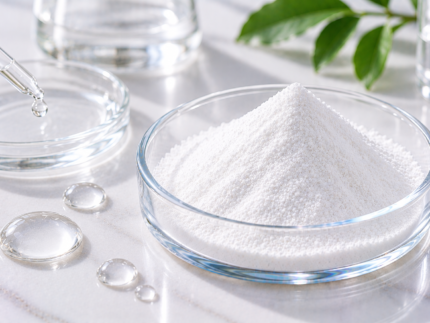
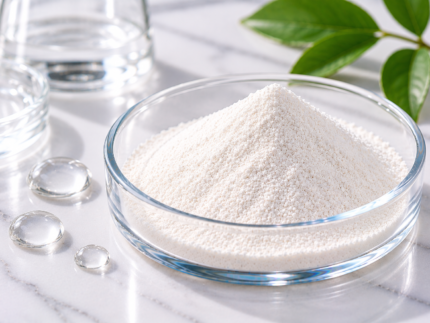
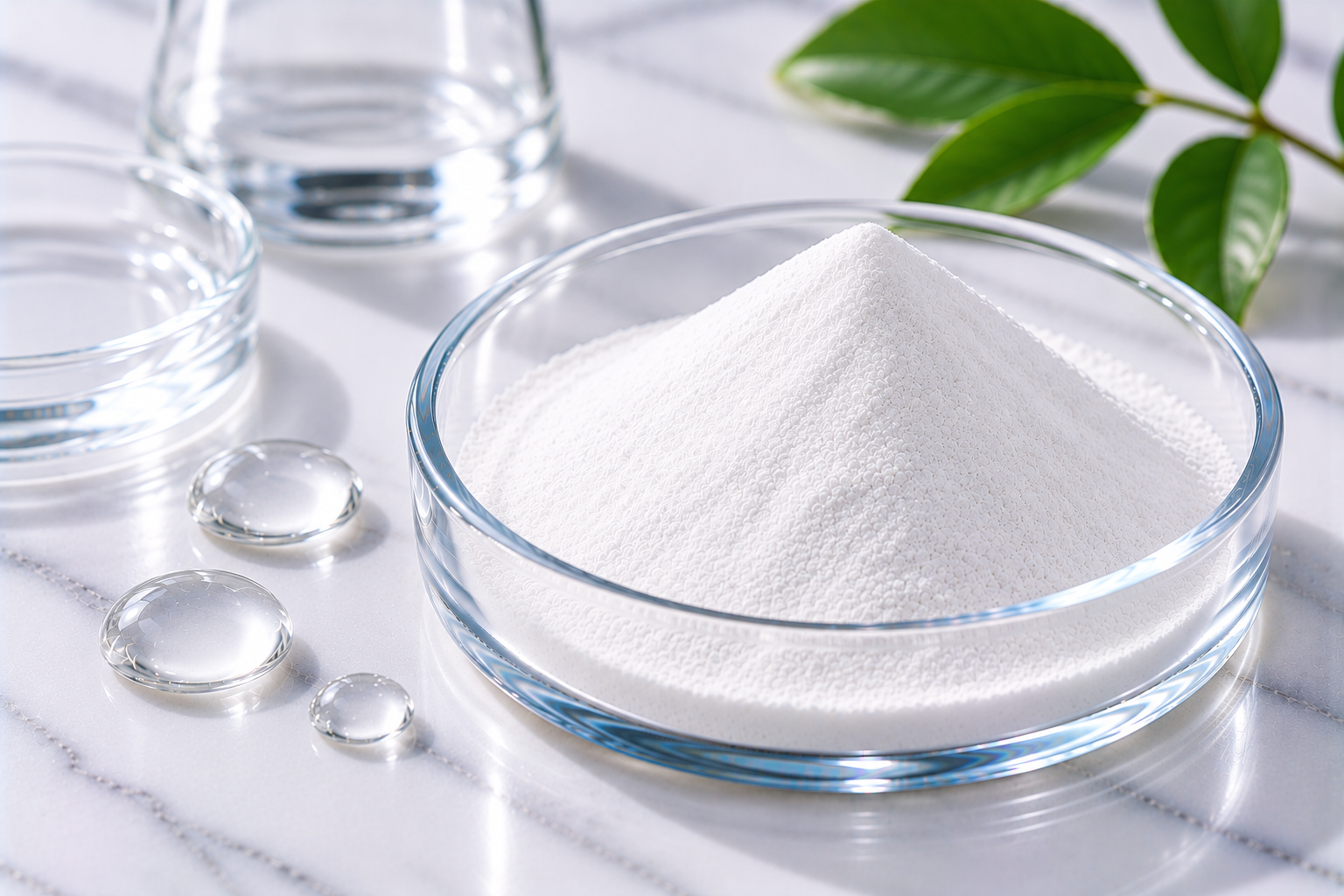
| Appearance & Color | White crystalline powder | Pure snow-white crystalline powder | Pure white microcrystalline powder | Visual / Organoleptic |
| Odor & Sensory Fingerprint | Practically odorless; neutral, clean sensory profile; zero solvent off-notes | Organoleptic | ||
| Aqueous Clarity & Solubility | 100% freely soluble in water (~166 g/L; forms a crystal-clear, colorless solution; NTU < 1.5) | Visual / Turbidimetry | ||
| pH (5% Aqueous Solution) | 7.0 – 8.0 (at 25°C; naturally neutral to mildly alkaline) | USP <791> Potentiometry | ||
| Chloride (Cl) Content | ≤ 140 ppm | ≤ 140 ppm (USP Limit) | ≤ 50 ppm | USP <221> Turbidimetry |
| Heavy Metals (as Pb) | < 1.0 ppm (As < 1.0 ppm, Cd < 0.5 ppm, Hg < 0.1 ppm; Prop 65 compliant) | ICP-MS | ||
| Loss on Drying / Moisture | ≤ 0.50% | ≤ 0.20% | USP <731> (105°C) | |
| Residue on Ignition (Ash) | ≤ 0.10% | ≤ 0.05% | USP <281> (600°C) | |
| Residual Solvents (Methanol, Ethanol) | ≤ 3,000 ppm Ethanol; Methanol ≤ 50 ppm / Non-detectable (Meets USP <467>) | GC-HS | ||
| Microbiological Limits | Total Aerobic Microbial Count ≤ 100 CFU/g; Yeast & Mold ≤ 10 CFU/g; Pathogens Absent | USP/EP Standard | ||
3. Functional Applications (Mechanism of Action)
Deploying pharmaceutical-grade Tranexamic Acid across clinical melasma serums, post-acne erythema solutions, and aesthetic barrier formulations provides scientifically verified cellular actions:
- Competitive Blockade of Keratinocyte Lysine-Binding Sites: Keratinocyte exposure to ultraviolet light stimulates the secretion of plasminogen activators, converting plasminogen into active plasmin. As a structural analogue of lysine, Tranexamic Acid competitively binds to the five lysine-binding sites on plasminogen and plasmin. This blocks plasminogen from anchoring onto keratinocyte cell surface receptors, extinguishing plasmin’s enzymatic activity at the earliest stage of epidermal activation.
- Interruption of Arachidonic Acid & Prostaglandin E2 (PGE2) Synthesis: Active plasmin stimulates keratinocyte intracellular phospholipase A2 to liberate free arachidonic acid (AA), which cyclooxygenase enzymes metabolize into pro-inflammatory prostaglandin E2 (PGE2) and leukotrienes. By inhibiting plasmin formation, Tranexamic Acid halts the surge of intracellular arachidonic acid and suppresses PGE2 production, eliminating the paracrine biochemical trigger that prompts basal melanocytes to synthesize melanin.
- Downregulation of α-MSH, MITF & Tyrosinase Transcription: PGE2 and plasmin stimulate neighboring melanocytes by elevating cyclic adenosine monophosphate (cAMP) and activating microphthalmia-associated transcription factor (MITF). By cutting off paracrine prostaglandin signaling, Tranexamic Acid downregulates MITF transcription, reduces tyrosinase gene expression, and limits the transfer of mature melanosomes to keratinocytes without causing melanocyte cytotoxicity.
- Vascular Endothelial Growth Factor (VEGF) Suppression & Anti-Erythema: Histological evaluations of facial melasma reveal pronounced dermal microvascular proliferation alongside elevated VEGF and endothelin-1 (ET-1) in vascular endothelial cells. Tranexamic Acid downregulates VEGF receptor phosphorylation and suppresses microvascular hypervascularity, resolving the underlying erythema characteristic of vascular melasma, calming rosacea-like flushing, and clearing post-inflammatory erythema (PIE).
- Stratum Corneum Barrier Restoration & Mast Cell Stabilization: Plasmin degrades extracellular corneodesmosomes and basement membrane laminin-5, impairing barrier recovery in chemically compromised skin. Tranexamic Acid suppresses plasmin-mediated barrier degradation, accelerates stratum corneum lipid recovery, reduces transepidermal water loss (TEWL), and inhibits mast cell degranulation to calm neuro-sensitive stinging.
- Exceptional Formulation Stability Across Heat, Light & Oxygen: Unlike L-Ascorbic Acid, Retinol, or Resorcinols, Tranexamic Acid is an aliphatic amino acid derivative lacking oxidizable phenolic rings or labile conjugated double bonds. It is non-photosensitive, non-discoloring, and fully stable during high-temperature emulsion heating (up to 85°C) and across an extensive pH range (pH 3.0 to 8.0), enabling stable incorporation into water-based serums, toners, and daytime photo-defense formulas.
4. Formulation Combinations & Trending Market Applications
Capitalize on the expanding clinical depigmentation, post-procedure recovery, and aesthetic medical markets by formulating with our versatile Tranexamic Acid portfolio:
- The Master Clinical “Melasma & Stubborn Pigmentation” Serum: Our Tranexamic Acid (USP/EP Grade, 2.0%–3.0%) + Niacinamide (≥99.5%, 4.0%–5.0%) + 4-Butylresorcinol (≥99.5%, 0.2%–0.3%) + Ethyl Ascorbic Acid (Lipophilic Vitamin C, 2.0%) + Multi-Molecular Weight Sodium Hyaluronate (0.5%). The globally recognized benchmark melasma-correcting matrix: Tranexamic Acid inhibits upstream plasmin/PGE2 paracrine activation, 4-Butylresorcinol blocks tyrosinase and TRP-1 catalytic sites, Niacinamide prevents melanosome transfer to keratinocytes, and Vitamin C reduces existing oxidized melanin polymers.
- The “Post-Acne PIE & PIH Double Eraser” Fluid: Our Tranexamic Acid (≥99.5%, 2.0%) + Potassium Azeloyl Diglycinate (Azelaic Acid Derivative, 3.0%) + Glabridin (CWS Water-Soluble 10%, 0.5% delivering 0.05% active) + Madecassoside 95% (0.2%) + Zinc PCA (1.0%). A targeted dual-action clarifying fluid designed to clear red vascular marks (PIE) via VEGF and plasmin suppression, soothe micro-inflammation, and fade stubborn brown post-blemish spots (PIH).
- The “Post-Laser & Procedural Recovery” Soothing Hydrogel: Our Tranexamic Acid (≥99.5%, 1.5%) + PDRN (Sodium DNA ≥98%, 0.2%) + Ectoine (≥99.0%, 1.0%) + D-Panthenol (Vitamin B5, 2.0%) + Ceramide NP (Water-Soluble Nano-Liposomal 5%, 2.0%). A high-tolerance, fragrance-free recovery hydrogel engineered for post-laser or post-peel recovery to clear procedural erythema, seal microscopic barrier breaches, and prevent rebound post-inflammatory hyperpigmentation.
- The High-Clarity “Radiant Glow” Essence Water: Our Tranexamic Acid (≥99.5%, 2.0%) + Alpha-Arbutin (≥99.5%, 1.0%) + Ectoine (1.0%) + Tremella Fuciformis Polysaccharide (0.5%) + Propanediol (5.0%). A crystal-clear, refreshing aqueous essence designed to deliver rapid skin-tone brightening, deep cellular hydration, and environmental antioxidant protection without cloudiness or sticky residue.
5. Why Choose Us As Your Long-Term Active Ingredient Partner?
- Flexible Low MOQ Policy: Mitigate product launch risk. As an agile low MOQ Tranexamic Acid bulk supplier, our orders start as low as 1 kg for high-purity cosmetic grades (≥99.0%) and ultra-pure pharmacopeial grades (≥99.5%–100.5%), scaling smoothly up to recurring multi-ton commercial container contracts.
- Strict cis-Isomer Impurity Control (≤ 0.20%): The inactive *cis*-isomer is an unwanted byproduct of chemical synthesis that reduces biological affinity and indicates incomplete crystallization. Every commercial batch is tested using validated HPLC to ensure *cis*-isomer remains strictly ≤ 0.20% (and ≤ 0.10% for premium grades), fully complying with European Pharmacopoeia and USP monographs.
- Multi-Product Portfolio Consolidation: Streamline your supply chain by sourcing your complete clinical brightening and barrier active suite (Tranexamic Acid, 4-Butylresorcinol, Phenylethyl Resorcinol 377, Alpha-Arbutin, Glabridin, Ferulic Acid, Phloretin, Ceramide NP, Madecassoside, Bakuchiol, Ectoine, L-Ergothioneine, PDRN), longevity vitamins (L-5-MTHF-Ca, β-NMN), and botanical extracts under a single, cost-effective freight shipment to reduce customs overhead and landed freight costs.
- Value-Added China Sourcing Service: In addition to our dedicated catalytic synthesis lines, ion-exchange purification suites, and high-vacuum crystallization plants, our on-the-ground technical team audits upstream raw materials, validates HPLC purity testing paperwork, and procures specialized functional ingredients across China tailored to your exact manufacturing roadmap.
6. Quality & Supply Chain Assurance
- Stereospecific Catalytic Synthesis & Purification: Synthesized via stereospecific catalytic hydrogenation of 4-(aminomethyl)benzoic acid followed by controlled thermal *trans*-isomerization. Crude material undergoes multi-stage ion-exchange resin decolorization, sub-micron filtration, and vacuum recrystallization, producing pure, snow-white lustrous crystals.
- Full Multi-Compendial Pharmacopeial Compliance: Every commercial batch is produced in cGMP-certified facilities and tested to meet or exceed the rigorous analytical criteria of the United States Pharmacopeia (USP), European Pharmacopoeia (Ph. Eur.), British Pharmacopoeia (BP), Japanese Pharmacopoeia (JP), and Chinese Pharmacopoeia (ChP).
- Validated HPLC Analytical Standardization: Tested against certified USP primary reference standards using High-Performance Liquid Chromatography (HPLC-UV) and potentiometric titration. We quantify pure Tranexamic Acid, verify stereochemical purity, and ensure residual chlorides (≤ 140 ppm) and heavy metals comply with international safety baselines.
- Spontaneous Water Solubility & Color Stability: Tranexamic Acid dissolves freely and rapidly in room-temperature water (~166 g/L at 25°C), forming an optically clear, transparent solution (NTU < 1.5) that remains color-stable and non-browning. It eliminates the precipitation, recrystallization, and formula oxidation challenges commonly encountered with poorly soluble depigmenting bioactives.
- Comprehensive ICP-MS & Heavy Metal Screening: Batch-tested via high-resolution ICP-MS to ensure heavy metals (Lead, Arsenic, Cadmium, Mercury) strictly comply with California Prop 65, European Cosmetic Regulation (EC) No 1223/2009, and China Safety and Technical Standards for Cosmetics. Sealed in food/pharma-grade double-polyethylene liners within heavy-duty 25 kg fiber export drums.
7. FAQ
Q1: What is the primary biological difference between Tranexamic Acid and traditional direct tyrosinase inhibitors?
A1: Traditional depigmenting ingredients and Tranexamic Acid act at entirely different biological levels:
- Direct Tyrosinase Inhibitors (e.g., Arbutin, 4-Butylresorcinol, Kojic Acid): Act inside basal melanocytes by competitively binding to the tyrosinase enzyme to block the chemical conversion of L-tyrosine into melanin pigments.
- Tranexamic Acid (TXA): Acts upstream on epidermal keratinocytes and vascular endothelial cells as a paracrine signaling inhibitor. It blocks plasminogen activation into plasmin, preventing keratinocytes from releasing free arachidonic acid, prostaglandin E2 (PGE2), and VEGF. By shutting down the inflammatory chemical messages that tell melanocytes to activate, TXA prevents hyperpigmentation before melanin synthesis begins, while clearing underlying vascular redness.
Q2: Why is Tranexamic Acid uniquely effective for treating facial Melasma and Post-Inflammatory Erythema (PIE)?
A2: Melasma is not merely a condition of hyperactive melanocytes; clinical biopsies show that melasma lesions are characterized by altered basement membranes, chronic low-grade inflammation, and a dense network of dilated microvessels with elevated VEGF expression. Traditional tyrosinase inhibitors fail to address the vascular component. Tranexamic Acid uniquely inhibits both plasmin-induced inflammation and VEGF-driven vascular proliferation, reducing microvascular erythema while clearing stubborn pigment plaques. This dual vascular and pigment action makes it the dermatological gold standard for vascular melasma and red post-acne marks (PIE).
Q3: How do cosmetic formulators incorporate Tranexamic Acid into skincare products?
A3: Tranexamic Acid is an exceptionally forgiving active for formulation compounding:
- Water Phase Addition: Freely soluble in cold and warm water (~166 g/L). It can be added directly to the main water phase at room temperature (20°C–25°C) or heated alongside other water-phase ingredients (withstands heating up to 80°C–85°C without degradation).
- pH Optimization: Stable across pH 3.0 to 8.0; optimal formulation performance and cutaneous tolerance occur within a pH window of 4.5 to 6.5. Because TXA aqueous solutions are naturally slightly alkaline (pH ~7.5), formulators typically adjust pH downward using citric acid or lactic acid buffers.
- Synergy: Highly compatible with high-molecular-weight polymers (carbomer, xanthan gum, hyaluronic acid), glycols, and other active ingredients without thinning emulsions or causing precipitation.
Q4: What is the recommended usage percentage of Tranexamic Acid in finished cosmetic formulations?
A4: Formulating percentages vary by delivery format and target clinical claim:
- Clinical Melasma & Stubborn Dark-Spot Serums: 2.0% to 3.0% (3.0% is the regulatory maximum approved leave-on limit in China and the standard clinical benchmark).
- Daily Tone-Evening Lotions & Clarifying Moisturizers: 1.0% to 2.0%.
- Post-Procedure Soothing Balms & Barrier Essences: 1.0% to 2.0% (paired with Madecassoside and Panthenol).
- Aqueous Brightening Toners & Sheet Masks: 0.5% to 1.5%.
Q5: What is the MOQ for bulk Tranexamic Acid orders?
A5: We support agile product commercialization with flexible minimum order quantities starting from just 1 kg for high-purity cosmetic grades (≥99.0%) and ultra-pure pharmacopeial grades (≥99.5%–100.5%), scaling smoothly up to recurring multi-ton commercial manufacturing contracts.
8. References
- PubChem: Tranexamic Acid Compound Summary (CID 5526) – National Center for Biotechnology Information.
- PubMed Central: The Mechanisms of Action and Clinical Efficacy of Tranexamic Acid for the Treatment of Melasma and Post-Inflammatory Hyperpigmentation: A Systematic Review – National Institutes of Health research database.
Keywords you may search: bulk Tranexamic Acid supplier, tranexamic acid powder 99.5 percent HPLC, TXA cosmetic grade bulk, melasma treatment active raw material, post inflammatory erythema PIE active, plasminogen inhibitor cosmetic ingredient, water soluble tranexamic acid bulk, anti redness skin brightening raw material, low MOQ cosmetic raw material provider, custom China ingredient sourcing service, pure tranexamic acid bulk